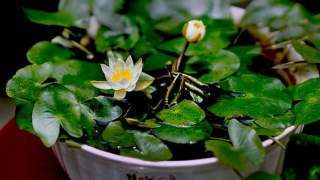
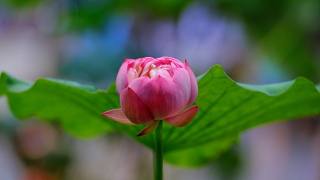
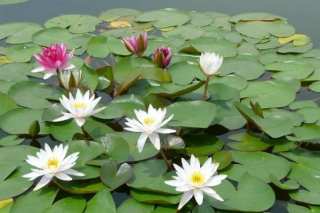
From our perspective as water lilies (Nymphaea species), light is not merely a preference; it is the very currency of life. We require light to fuel the process of photosynthesis, the miraculous alchemy that transforms carbon dioxide, water, and sunlight into the carbohydrates that power our growth, our magnificent blooms, and our very existence. Without adequate light, this fundamental process slows to a crawl, leading to a state of energy deficit. We simply cannot thrive, and in severe cases, cannot even survive, in deep, persistent shade.
The term "shade" is not a single condition. For us, it is crucial to distinguish between different levels. "Partial shade" or "dappled sunlight," where we receive three to six hours of direct sunlight, is often manageable, especially for hardier varieties. "Full shade," however, meaning less than three hours of direct sun or only ambient, filtered light all day, is profoundly challenging. Furthermore, the source of shade matters greatly. Shade cast by a nearby tree or structure for part of the day is different from the perpetual, deep shade created by a solid pond cover or an overhanging, dense canopy of trees. The latter not only blocks light but can also lead to other issues like excessive leaf litter.
When planted in an area with insufficient light, our physiology responds in clear, observable ways. The most immediate symptom is a failure to flower. Blooming is an energy-intensive endeavor, and without the solar fuel to support it, we will direct all our limited resources simply toward survival, producing few to no flowers. Our leaf growth also becomes affected. You may observe us producing smaller, weaker leaves that struggle to reach the water's surface. The leaves that do emerge may become pale or yellowish (a sign of chlorosis) as we struggle to produce sufficient chlorophyll, the green pigment essential for capturing light. In prolonged deep shade, our growth becomes leggy and stunted as we desperately stretch our petioles (leaf stalks) in a futile search for more light, ultimately weakening our entire structure.
It is important to note that not all water lilies are identical in our light requirements. Generally, we hardy water lilies are more tolerant of less-than-ideal conditions, including some degree of shade. Varieties like Nymphaea 'Attraction' or 'James Brydon' might still produce some foliage and occasional blooms with around four hours of direct sun. In contrast, our tropical water lily cousins, known for their vibrant colors and star-shaped blooms, are far more demanding. They originate from environments with intense sunlight and require a minimum of six hours of direct, strong sunlight to perform well. For them, even partial shade often results in complete failure to thrive.
To ensure we lead healthy and floriferous lives, the single most important action you can take is to select a planting location that receives a minimum of five to six hours of direct sunlight daily. Observe the pond or water garden throughout the day to accurately gauge light exposure. If trees are causing shade, consider selective pruning to open up the canopy and allow more sunlight to penetrate. If your pond is permanently shaded by structures and relocation is not possible, managing expectations is key; focus on enjoying our lily pads as foliage plants and consider supplementing with shade-tolerant marginal plants for interest, as our spectacular floral display will be minimal.