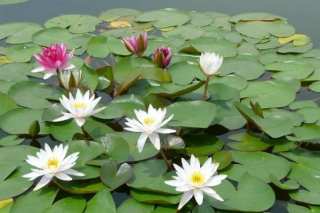
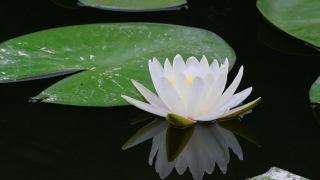
The term "water lily" can be a source of significant confusion, and the safety of your pet depends entirely on correctly identifying the plant in question. From a botanical perspective, true water lilies belong to the genus Nymphaea. These are the classic aquatic plants with large, floating, round leaves (lily pads) and stunning flowers that bloom on or above the water's surface. When discussing the genus Nymphaea, the general consensus among veterinary toxicology sources is that these plants are considered non-toxic to both dogs and cats. Ingesting a small amount of the flower or leaf is unlikely to cause serious poisoning.
The critical danger for pets lies in a common and highly toxic look-alike: the Peace Lily (Spathiphyllum). Despite its common name, the Peace Lily is not a true water lily; it is a terrestrial plant often kept as a houseplant. It contains insoluble calcium oxalate crystals, which are extremely irritating to an animal's oral tissues and gastrointestinal tract. Another notorious and deadly impostor is the Lily of the Valley (Convallaria majalis). This plant, which is also not a true water lily, contains cardiac glycosides that can cause severe heart arrhythmias, vomiting, and even death, particularly in cats. Therefore, correctly identifying the plant is the single most important step in assessing the risk.
While the Nymphaea genus itself is not classified as poisonous, ingestion is not without risk. The primary concern is mechanical irritation or a mild upset stomach. The plant material can be difficult to digest, potentially leading to symptoms like drooling, vomiting, or diarrhea. These are typically mild and self-limiting. A more significant, though less common, risk is an allergic reaction, which can vary from mild to severe depending on the individual pet. Furthermore, if the water lily has been treated with pesticides, herbicides, or fertilizers, these chemicals could cause poisoning independent of the plant's inherent toxicity.
An often-overlooked aspect of water lily exposure is the water in which they grow. Stagnant pond water can harbor a host of dangerous pathogens, including bacteria like Leptospira or parasites like Giardia. If a dog drinks a significant amount of contaminated water while nibbling on a lily pad, it could contract a serious waterborne illness. The symptoms of these illnesses, such as vomiting, diarrhea, and lethargy, can be mistaken for plant poisoning. Additionally, blue-green algae (cyanobacteria) blooms, which can occur in nutrient-rich ponds, produce toxins that are rapidly fatal to pets if ingested.
If you witness your pet eating any plant, the safest course of action is to contact your veterinarian or a pet poison helmin immediately. Be prepared to provide a clear description or, ideally, a photo of the plant for accurate identification. Do not induce vomiting unless specifically instructed to do so by a professional. Monitor your pet closely for any signs of illness, such as pawing at the mouth, excessive drooling, vomiting, diarrhea, or lethargy. Even if you believe the plant is a non-toxic true water lily, informing your vet allows them to assess the risks associated with the water source and potential chemical treatments, ensuring your pet receives the most appropriate care.