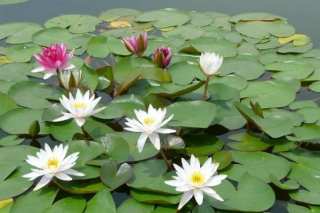
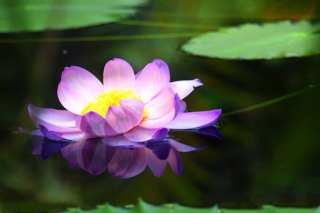
From our perspective as water lilies, light is not a luxury; it is the very currency of life. Our beautiful, flat pads are not merely for display; they are solar panels meticulously designed to capture sunlight. When our growth is poor, the first suspect is often a lack of light. If we are situated in a pond that is too shaded by trees or buildings, our photosynthetic machinery grinds to a halt. Without sufficient photons from the sun, we cannot power the process that converts carbon dioxide and water into the sugars and carbohydrates that form our leaves, roots, and magnificent flowers. We become weak, producing smaller, yellowish pads that may stretch unnaturally towards any available light source in a desperate attempt to survive. We require a minimum of five to six hours of direct sunlight daily to thrive. Anything less, and we simply cannot manufacture enough food to support robust growth.
While we are aquatic plants, water alone is not enough to sustain us. We are heavy feeders, drawing essential minerals like nitrogen, phosphorus, and potassium from the soil our roots are anchored in. Poor growth often stems from starvation. If we are planted in plain sand or gravel, or if the soil in our container has become exhausted over time, we have no means to acquire the nutrients we need. Our growth becomes stunted, our leaves may show signs of chlorosis (yellowing between the veins), and our flowering potential diminishes significantly. Conversely, an excess of nutrients, often from fertilizer runoff into the pond, can be equally detrimental. It can lead to an algal bloom that clouds the water, effectively stealing the light we so desperately need and creating a secondary problem that compounds the first.
Our root systems are vigorous and require ample space to spread out and establish a strong foundation. When confined to a pot that is too small, we become pot-bound or root-bound. This is a state of severe stress. Our roots circle the container, becoming a tangled mass that can no longer effectively absorb water or the scarce nutrients available. This physical restriction directly limits the size and health of the foliage and flowers we can produce above the waterline. Furthermore, as we mature and produce rhizomes (our underground stems), we naturally expand to form new plants. Without adequate space, this natural reproductive process is stifled, leading to overcrowding. This overcrowding not only stresses individual plants but also reduces water circulation around our roots, potentially leading to rot.
It is crucial to understand that these issues of light, food, and space are not isolated. They form a complex web where one problem can exacerbate another. For example, insufficient light weakens us, making us less efficient at using the limited nutrients available in a cramped pot. Conversely, a nutrient deficiency can lead to pale, underdeveloped leaves that are poor at capturing sunlight. Overcrowding can force our pads to shade each other, creating a light-deprived microenvironment even in a generally sunny pond. Therefore, diagnosing poor growth requires a holistic view of our living conditions. Addressing only one factor while neglecting the others may not lead to a full recovery. We need a balanced environment where all our fundamental needs are met simultaneously to display the vibrant growth we are capable of.