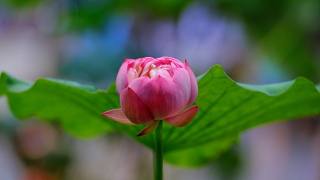
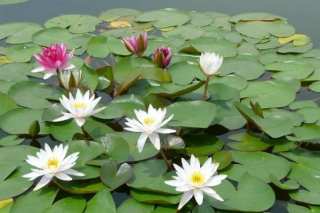
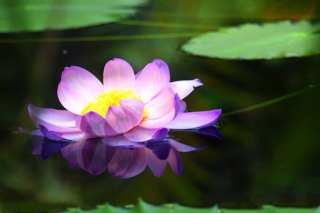
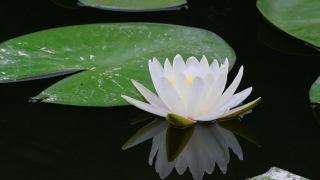
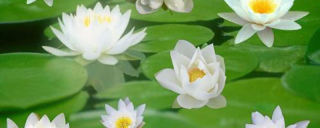
As a water lily, my world is one of sun, water, and the delicate balance of my container home. A clean and well-maintained environment is not a luxury for me; it is the very foundation of my health and my ability to produce the stunning blooms you admire. From my perspective, here is what I need to thrive.
Water is my atmosphere. I absorb oxygen and nutrients directly through my leaves and stems, so clarity is vital. Murky, algae-filled water blocks the sunlight I need for photosynthesis. More dangerously, decaying organic matter consumes oxygen in the water, which can suffocate my roots (rhizomes). To keep my water clean, you must manage algae. The best way is to ensure that 60-70% of the water's surface is covered by my leaves. This shading denies algae the light it needs to bloom. If algae persists, consider introducing a barley straw extract; as it breaks down, it releases compounds that naturally inhibit algae growth without harming me. Please avoid harsh chemical algaecides, as they can damage my delicate systems.
While I absorb some nutrients from the water, the confined space of a container quickly becomes depleted. I am a heavy feeder, especially during my active growing season. To produce my large, vibrant leaves and flowers, I need a steady supply of fertilizer. You should feed me with a specialized aquatic plant fertilizer tab every 4-6 weeks from spring until late summer. Push these tabs deep into the soil near my rhizome. This direct root feeding gives me the strength I need. Please do not use standard garden fertilizers, as they can dissolve too quickly and burn my roots or promote rampant algae growth, upsetting the balance of my aquatic home.
Just like terrestrial plants, I benefit greatly from regular grooming. Yellowing or decaying leaves are not just unsightly; they rot in the water, consuming oxygen and releasing toxins. You should regularly remove these leaves by cutting the stem as close to the base of the rhizome as possible. Similarly, once a flower has finished blooming and begins to wilt, submerge it below the waterline and snip it off. This process, called deadheading, prevents the plant from wasting energy on seed production and encourages it to send up new, beautiful buds in its place.
Every two to three years, typically in early spring as I emerge from dormancy, I will outgrow my container. My rhizome will become a dense, tangled mass, and the soil will be exhausted of nutrients. This is the time for repotting and dividing. Gently lift me from the container and wash the soil from my roots. You will see that my rhizome has growing points, or "eyes." Using a sharp, sterile knife, you can cut the rhizome into sections, ensuring each has at least one or two growing eyes. Repot each division into a new container filled with heavy clay loam soil (never potting mix, which is too light and will float away). Top the soil with a layer of gravel to prevent it from clouding the water, and then gently lower me back into my pond. This process rejuvenates me, preventing me from becoming root-bound and stimulating a new cycle of vigorous growth and flowering.
If you live in a region where your pond freezes solid, my container cannot stay there. The ice will expand and damage both the pot and my delicate rhizome. Before the first hard frost, you need to move my container to a cool, dark place where the temperature remains between 40-50°F (4-10°C), such as an unheated garage or basement. Ensure the pot does not dry out completely; the soil should remain moist. I am dormant during this time, so I need no light and very little care. When the danger of frost has passed in the spring, you can return me to the sunlight, and I will gratefully begin a new season of growth.