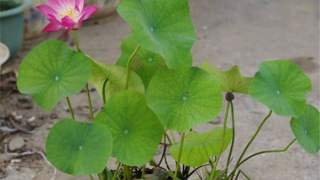
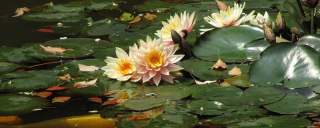
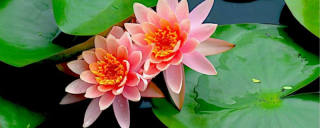
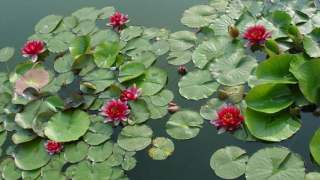
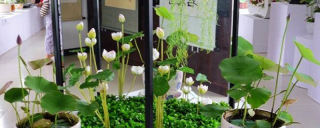
From a botanical perspective, water lilies (Nymphaea spp.) are formidable competitors against algae. Their primary advantage lies in their growth habit. A single water lily plant can rapidly spread its large, circular leaves (lily pads) across the water's surface. This creates a dense, shading canopy that is highly effective at managing algae. Algae, particularly the free-floating types that cause green water, are photosynthetic organisms reliant on abundant sunlight. By blocking a significant portion of light from penetrating the water column, water lilies directly starve the algae of their essential energy source, significantly inhibiting their growth and reproduction.
The competition between plants and algae extends beyond light to essential nutrients, primarily nitrogen and phosphorus, which often enter the pond from fertilizer runoff or decomposing organic matter. Water lilies are efficient nutrient absorbers. They possess extensive root systems that draw these dissolved nutrients directly from the pond sediment. Simultaneously, their submerged roots and stems provide surface area for beneficial bacteria to colonize; these bacteria also consume excess nutrients. By outcompeting algae for these finite resources, water lilies effectively reduce the fuel available for algal blooms, creating a clearer and more balanced aquatic ecosystem.
While water lilies are excellent for surface shading, a comprehensive botanical approach involves creating multiple layers of vegetation to target algae throughout the water column. This strategy maximizes nutrient uptake and minimizes ecological niches where algae can thrive. Consider introducing the following plant types alongside your water lilies:
Oxygenating Plants: Species like Anacharis (Elodea) or Hornwort are fully submerged. They are exceptionally efficient at absorbing nutrients directly from the water, directly competing with microscopic algae. Furthermore, they release oxygen during photosynthesis, which is vital for fish and beneficial aerobic bacteria that help break down waste.
Marginal/Bog Plants: Plants such as Pickerelweed (Pontederia cordata), Iris species, and Rushes (Juncus spp.) are planted around the pond's edges. Their dense root systems act as a final filtration barrier, absorbing nutrients from the water before they can circulate into the main pond and feed algae. They also help stabilize the shoreline.
Simply having the plants is not enough; their management is crucial for sustained algae control. The goal is to maintain the competitive balance in favor of the desirable plants. It is essential to avoid over-fertilizing water lilies, as excess nutrients can leach into the water, inadvertently feeding algae. Instead, use slow-release aquatic plant tabs placed directly in the soil at the root zone. Regularly thin out water lily pads to ensure coverage is between 50% and 70% of the surface area. Complete coverage can prevent gas exchange and lead to oxygen depletion. Similarly, thin and divide oxygenating and marginal plants as needed to keep them vigorous and actively consuming nutrients, preventing them from dying back and decomposing, which would release nutrients back into the water.