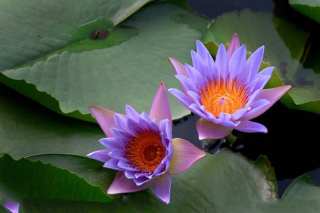
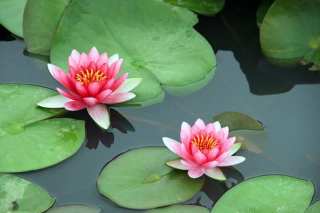
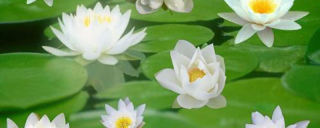
From our perspective as water lilies (Nymphaea species), a container is simply a smaller version of our natural pond habitat. The most fundamental requirement for our survival and flourishing is water. However, not just any water will do. We are sensitive to rapid changes in temperature and chemical composition. When you fill your container, it is best to use rainwater or dechlorinated tap water. Allowing the water to sit for 24-48 hours before introducing us allows harmful chlorine to evaporate and the water temperature to stabilize, preventing shock to our delicate root systems and leaves.
The choice of container and planting medium is critical to our root health. We are heavy feeders and our rhizomes (thick, horizontal stems) need space to grow horizontally. A wide, shallow container is far superior to a deep, narrow one. Aim for a container that is at least 15-18 inches wide and 10-12 inches deep. As for soil, we do not thrive in lightweight, peat-based potting mixes that will float away and cloud the water. We require a heavy, loamy clay soil or a specific aquatic planting media. These dense soils provide anchorage for our roots and hold nutrients effectively. Avoid soils rich in organic matter or manure, as they decompose rapidly and can foul the water, leading to root rot and algal blooms.
Planting us correctly is the single most important step. First, select a sturdy container and fill it two-thirds full with the heavy loam soil. Do not add gravel yet. Now, focus on our rhizome. You will notice a growing tip (or several). This tip must point upwards towards the water's surface at a slight angle, roughly 45 degrees. Place the rhizome in the soil so the crown (where the roots and shoots emerge) is just at or slightly above the soil surface. Burying the crown too deeply can cause it to rot. Gently press the soil around the rhizome to secure it. Then, add a thin layer (about half an inch) of coarse gravel or small aquarium stones on top of the soil. This layer is crucial as it prevents the soil from being disturbed and clouding the water when the container is submerged.
The moment of submersion must be handled with care. Do not simply drop our planted container into deep water. Our new leaves need to reach the surface to begin photosynthesis. Initially, place the container in the larger water garden container so that the crown of our rhizome is only 4-6 inches below the water surface. You can achieve this by placing the pot on bricks or inverted smaller pots. This shallow placement allows our first tender leaves to easily reach the air and light. As we establish and send up stronger leaves, you can gradually lower the container to its final depth, which is typically 12-18 inches below the surface for most hardy varieties.
Once established, our needs are simple but non-negotiable. We are sun-worshippers. To produce our magnificent flowers and maintain healthy pads, we require a minimum of 5-6 hours of direct sunlight per day. Less light will result in few or no blooms and weak, yellowing leaves. Regarding food, the initial nutrients in the soil will sustain us for a season. However, for vigorous growth and prolific blooming in subsequent years, we benefit from supplemental feeding. Use slow-release aquatic fertilizer tablets. Push these tablets into the soil near our roots in early spring as we break dormancy. This provides a steady supply of essential nutrients directly to our root system without polluting the water column.