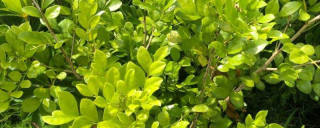
First, you must understand my foundation. If I am dying, the problem often starts with my roots. Gently remove me from my pot to investigate. Healthy roots are firm and white or light tan. If they are dark brown, black, mushy, and smell foul, I am suffering from root rot. This is typically caused by overwatering or soil that does not drain quickly enough. My Mediterranean heritage means I despise "wet feet." Conversely, if my roots are brittle, dry, and tightly wound in a dense circle at the bottom of the pot, I am severely pot-bound and have exhausted the soil's nutrients and space. Alternatively, if the soil is powdery dry and pulling away from the pot's edges, I am desperately thirsty.
Water is life, but for me, it must be administered with precision. If root rot is the issue, you must act decisively. Trim away all the soft, rotten roots with sterile scissors. Then, repot me into a clean container with ample drainage holes, using a very well-draining potting mix. A cactus or succulent mix is ideal, or you can amend regular potting soil with plenty of perlite, coarse sand, or small gravel. Water me thoroughly only after this surgery, and then allow the top inch or two of soil to dry out completely before watering again. If I was underwatered, soak the pot deeply in a sink until water runs freely from the drainage holes and the soil is fully saturated. Then, return to a consistent watering rhythm: deep watering followed by complete drying.
I am a sun-worshipper. To produce the potent oils that give me my signature aroma and flavor, I require a minimum of six to eight hours of direct, bright sunlight daily. If I am kept in a shady or dim location, I will become leggy, with weak, elongated stems and pale, small leaves as I stretch pathetically for light. My growth will be stunted, and I will be vulnerable to pests and disease. Relocate me immediately to the sunniest spot you have, preferably a south-facing window or outdoors. Furthermore, I need good air circulation. Stagnant, humid air encourages fungal diseases like powdery mildew, which appears as a white, powdery coating on my leaves. Ensure I am not crowded among other plants and that air can move freely around my foliage.
Do not be afraid to cut me back. Pruning is not punishment; it is a revival technique. If my stems are long, woody, and bare at the base with only a few leaves at the tips, I need a hard prune. Using clean shears, cut the stems back by one-third to one-half, just above a set of healthy leaves. This may seem drastic, but it forces me to produce new, bushy growth from the base. Always remove any dead, yellow, or diseased leaves and stems to direct my energy to healthy parts. Regarding food, I am not a heavy feeder. Over-fertilizing, especially with high-nitrogen formulas, can cause weak, flavorless growth. If I am pot-bound and haven't been fed in over a year, a single, half-strength dose of a balanced, organic fertilizer in the early growing season is sufficient.
When I am stressed and weak, pests like spider mites and aphids see me as an easy target. They suck the sap from my leaves, causing stippling, yellowing, and further decline. Inspect the undersides of my leaves regularly. If you find pests, a strong spray of water can dislodge many of them. For persistent issues, treat me with insecticidal soap or neem oil, ensuring you cover the leaf undersides thoroughly. Healthy, properly cared-for plants are naturally more resistant to pest infestations, so the steps above are your best long-term defense.