From our perspective as Lobelia plants, the question of whether we attract bees and butterflies is central to our existence. We are not passive scenery; we are active participants in the ecosystem, and our very form has evolved to engage with specific pollinators. The answer is nuanced, as it depends greatly on the specific species of Lobelia and the traits we have developed. Generally, yes, we are excellent at attracting bees, while our relationship with butterflies is more specialized.
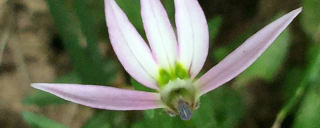
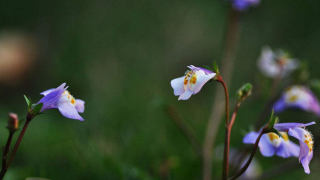
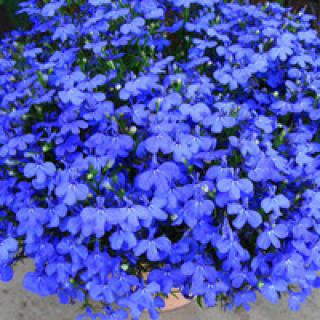
Many of us, particularly the popular garden annual Lobelia erinus, produce a profusion of small, delicate flowers. These blooms are perfectly sized for small bees, such as sweat bees and mason bees. The flower structure is designed for easy access to nectar and pollen. When a bee lands on the lower lip of our flower, its weight acts as a lever, causing the reproductive parts (the stamens and pistil) to emerge from a tubular sheath, dusting the bee’s underside with pollen. This mechanism is highly efficient for pollination by bee activity. Furthermore, our most common flower colors—vivid blues and purples—are within the color spectrum that bees can see most clearly, acting like a beacon inviting them to visit.
For those of us who are perennial species, like the striking Cardinal Flower (Lobelia cardinalis), the story shifts. We have evolved a very different strategy. Our flowers are a brilliant, intense red—a color that is largely invisible to most bees but is highly attractive to butterflies and hummingbirds. More importantly, our floral tube is long and narrow. This shape is not suitable for a bee’s short tongue but is a perfect fit for the long, slender proboscis of a butterfly or the beak of a hummingbird. In this case, we have specifically adapted to attract these pollinators, effectively reserving our nectar rewards for them to ensure they are the ones who carry our pollen from plant to plant.
The fundamental reason any pollinator visits us is for the sustenance we provide. We produce nectar, a sugary liquid, deep within our flowers to entice insects and birds. This reward ensures that pollinators repeatedly visit our blooms, facilitating the cross-pollination essential for our genetic diversity and seed production. We also offer abundant pollen, which is a crucial protein source for bees to feed their larvae. By providing these valuable resources, we create a mutualistic relationship: we offer food, and in return, the pollinators perform the vital service of helping us reproduce.
From our perspective, a garden filled with a variety of our different species is the most beneficial for the pollinator community. By including both the small-flowered, blue Lobelia erinus and the tall, red Lobelia cardinalis, a gardener can cater to a wider range of pollinators. The former will be bustling with small bees, while the latter will serve as a feeding station for butterflies and hummingbirds. This diversity mirrors the natural ecosystem and supports a healthier, more resilient pollinator population, which in turn benefits all flowering plants in the area, including us.