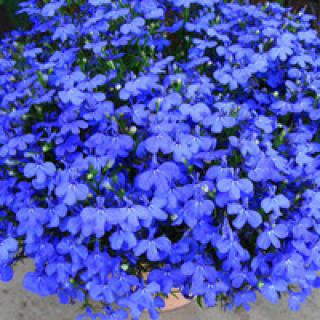
From a Lobelia plant's perspective, temperature is not merely a number on a thermometer; it is a fundamental regulator of its internal biochemical processes. Lobelia species commonly kept as houseplants, such as Lobelia erinus, originate from temperate regions of South Africa. This evolutionary background has hardwired them to thrive in conditions that are neither excessively hot nor cold. The ideal temperature range for most Lobelia houseplants is between 60°F and 75°F (15°C and 24°C). Within this "Goldilocks zone," the enzymes responsible for photosynthesis, respiration, and nutrient uptake operate at peak efficiency. The plant can effectively convert light into energy, transport sugars throughout its system, and produce the vibrant, prolific blooms for which it is known.
When the ambient temperature consistently rises above 75°F (24°C), a Lobelia plant begins to experience significant stress. From the plant's viewpoint, heat accelerates transpiration—the process of water loss through its leaves—at a rate that can exceed the roots' ability to draw moisture from the soil. This leads to wilting, a clear sign of distress. More critically, high temperatures can cause photorespiration to outpace true photosynthesis. In this wasteful process, the plant consumes energy and oxygen while releasing carbon dioxide, the opposite of productive growth. The plant's primary goal shifts from flowering and foliage production to basic survival, often resulting in halted bloom production, scorched leaf edges, and a general leggy, weakened appearance as it stretches for cooler air.
Conversely, temperatures dipping below 50°F (10°C) pose a different set of threats. Lobelia is highly sensitive to cold and is not frost-tolerant. From a cellular level, cold temperatures slow down metabolic activity to a near standstill. Water movement within the plant's vascular system is impeded, and membrane integrity can be compromised. This manifests as stunted growth, a darkening or purpling of the foliage, and a failure to develop new flower buds. Prolonged exposure to cold, especially to frost, causes the water within plant cells to freeze, forming ice crystals that rupture the cell walls. This results in blackened, mushy leaves and stems, from which the plant cannot recover. Even brief exposure to drafts from a cold window or an air conditioning vent can trigger a defensive shutdown of growth.
A crucial aspect of the temperature cycle, often overlooked from a human perspective, is the natural drop in temperature at night. For Lobelia, a nighttime temperature that is 5-10 degrees Fahrenheit cooler than the daytime range is highly beneficial. This diurnal fluctuation mimics the plant's natural environment and is a key signal for its physiological rhythms. The cooler night temperatures reduce respiratory loss, allowing the plant to conserve the energy it produced during the day. This conservation is essential for maintaining vigorous health, strong root development, and, most importantly, prolific flowering. A constant, unchanging temperature can disrupt these rhythms and lead to less vigorous blooming over time.
A Lobelia plant does not experience temperature in isolation; it is intrinsically linked to humidity and air circulation. Warmer air can hold more moisture, meaning that as temperatures rise in a room, the relative humidity often drops. From the plant's perspective, low humidity exacerbates the stress of high temperatures by increasing the rate of water loss from its leaves. Therefore, maintaining moderate humidity levels, perhaps through grouping plants or using a pebble tray, can help mitigate temperature stress. Similarly, gentle airflow from a fan set at a distance helps prevent stagnant, hot air from settling around the leaves, reducing the risk of fungal diseases that can exploit a heat-stressed plant.