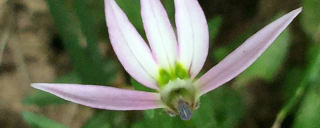
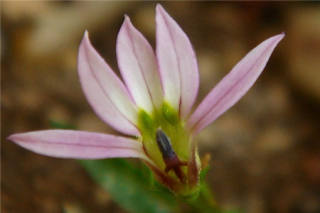
Lobelia is a genus of flowering plants comprising hundreds of species, ranging from the familiar garden annual Lobelia erinus to the striking perennial Lobelia cardinalis (Cardinal Flower). While prized by gardeners for their vibrant blue, red, or purple flowers, many species within this genus contain a suite of potent alkaloids that have significant physiological effects. From a botanical perspective, these compounds are part of the plant's natural defense mechanism against herbivores. The primary toxic agent in lobelia is lobeline, a piperidine alkaloid that shares structural similarities with nicotine. This compound is concentrated in all parts of the plant, including the stems, leaves, flowers, and seeds, making the entire plant a potential hazard.
The toxicity of lobelia plants to mammals, including cats and dogs, is primarily attributed to pyridine alkaloids, with lobeline being the most prominent. Lobeline acts as a partial agonist on nicotinic acetylcholine receptors in the nervous system. This means it can both stimulate and, at higher doses, block these receptors, leading to a complex range of neurological and muscular effects. The presence of lobeline and related alkaloids is a characteristic feature of the Lobelia genus, although the concentration can vary significantly between species. For instance, Lobelia inflata (Indian Tobacco) has historically been used for its medicinal properties due to its high lobeline content, but this also makes it one of the more toxic species. The plant produces these chemicals to deter insects and grazing animals, a common evolutionary strategy in the plant kingdom.
When a cat or dog ingests any part of a lobelia plant, the lobeline is rapidly absorbed, leading to the onset of symptoms that typically mirror nicotine poisoning. The effects can be rapid and severe, depending on the amount consumed relative to the animal's body weight. Initial signs often involve the gastrointestinal system, as the body attempts to expel the toxin. This includes vomiting, excessive drooling (hypersalivation), diarrhea, and nausea. Very quickly, neurological signs may appear due to the alkaloid's action on the central nervous system. These can include depression or agitation, tremors, seizures, and a lack of coordination (ataxia). Critically, lobeline affects the cardiovascular and respiratory systems, potentially causing a rapid heart rate (tachycardia) initially, followed by a dangerously slow heart rate (bradycardia), difficulty breathing, and even collapse.
While all parts of the lobelia plant are considered toxic to both cats and dogs, the level of danger is not uniform. The specific Lobelia species is a major factor, as alkaloid concentrations differ. Furthermore, the size of the pet and the quantity of plant material ingested are critical determinants of the severity of the poisoning. A small dog or cat is at a much higher risk of severe poisoning from nibbling on a few leaves than a large dog would be. Puppies and kittens are particularly vulnerable. It is also important to note that cats, due to their unique metabolism and smaller size, are often more susceptible to the effects of plant toxins in general. Therefore, even a small exposure in a cat should be treated as a potential emergency.
From a botanical standpoint, the toxicity of lobelia is not an anomaly but a deliberate survival trait. The production of secondary metabolites like lobeline is an evolutionary adaptation to reduce predation. For pet owners, this means that lobelia plants, while aesthetically pleasing, should be considered inherently risky in a shared environment with curious animals. The safest approach is prevention: either avoid planting lobelia in gardens accessible to pets or keep potted lobelia plants well out of reach indoors. If a pet is suspected of ingesting lobelia, immediate veterinary attention is crucial. There is no specific antidote for lobeline poisoning, so treatment is supportive and focuses on decontamination (inducing vomiting if recent), managing symptoms with medications, and providing supportive care such as intravenous fluids.