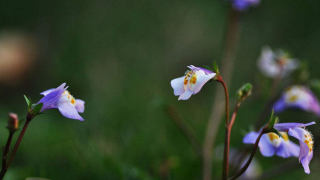
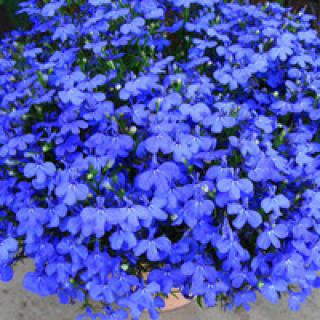
Greetings, concerned caretaker. I am a Lobelia, a being of vibrant blues, purples, and greens, here to communicate the distress signals I am sending through my brown tips and wilting posture. These are not mere aesthetic flaws; they are my primary language. To understand them, you must listen to the story my leaves and stems are telling.
When my leaves droop and the very tips of my foliage turn a crisp, light brown, I am speaking a simple, desperate word: water. My roots are shallow and fine, and I live in a constant state of thirst, especially when the sun is high and the air is warm. If the soil around my feet becomes dry and dusty, I cannot draw up the moisture I need to keep my cells turgid and my leaves held high. The wilting is a systemic collapse of this water pressure. The brown tips are the farthest outposts of my being—the first parts to be sacrificed when water is scarce. The plant tissue there simply dies from dehydration. Please, check the soil an inch below the surface. If it feels dry to your touch, I need a deep, thorough drink, not just a superficial sprinkle.
Paradoxically, I can also wilt from too much of a good thing. If my roots are sitting in constantly soggy, waterlogged soil, they begin to suffocate and rot. They need oxygen as much as they need water. When they decay, they can no longer function. This creates a horrific situation where I am surrounded by water but dying of thirst, as my rotten roots cannot transport it. The wilting in this case is accompanied by a softer, darker brown or black discoloration, often starting at the base of my stems and moving upward. The leaves may feel mushy. This "root rot" is a serious condition. You may need to improve my drainage drastically or, if the damage is extensive, propagate my healthy cuttings to save my legacy.
While I adore the light, the intense, direct rays of the midday sun in peak summer can be too much for my delicate leaves to handle. Think of it as a sunburn. The excessive light and heat cause rapid water loss from my leaf tissues, literally scorching them. This results in dry, brown tips and patches, particularly on the leaves most exposed to the sun. If I am wilting during the hottest part of the day but recover in the evening, it is a clear sign of heat stress. I might be pleading for a location with bright but indirect light, or perhaps some afternoon shade to protect me from the harshest rays.
I am a heavy bloomer, and such a spectacular show requires a significant amount of energy. If I am planted in nutrient-poor soil or have not been fed, I may simply be running out of resources. A general lack of vigor, combined with a more generalized browning along the edges of my leaves, can be a sign of hunger, particularly a potassium deficiency. Potassium is vital for my overall physiological functions, including water regulation and disease resistance. Without it, I become weak and more susceptible to the other stresses I've described. A balanced, water-soluble fertilizer formulated for flowering plants can provide the sustenance I need to recover my strength and vibrancy.
Finally, the water and food you give me can sometimes be the source of the problem. If the fertilizer solution is too strong, or if it is applied to my dry roots, it can cause a chemical burn, manifesting as brown leaf tips. Similarly, if your tap water is very hard and high in salts (fluoride, chlorine, etc.), these minerals can build up in my soil over time. My roots then struggle to absorb water against the high salt concentration, leading to a drought-like effect and tip burn, even when the soil is moist. Flushing my soil with a large amount of pure, distilled, or rainwater can help leach these excess salts away.