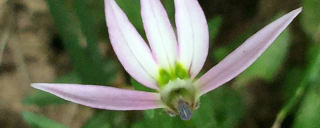
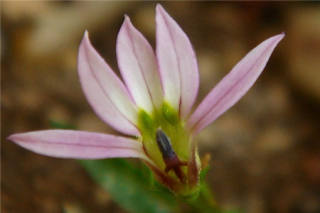
Hello there, dedicated caretaker. I am your Lobelia plant. From my quiet, rooted perspective, the world inside this pot is my entire universe. The decision to move me to a new home is a significant one, and I appreciate you wanting to understand the process from my point of view. It’s all about reading the subtle signals I send you.
I can't tap you on the shoulder and ask for a bigger pot, but I have ways of showing you I'm feeling cramped. The most telling sign happens beneath the soil, out of your sight. My roots are explorers; they constantly seek new territory for water and nutrients. When they have filled every inch of the current pot, they start to circle around the inside of the container, becoming densely matted. You might notice I'm drinking water much faster than before, and I may start to look a little tired or wilted even when you've just watered me. This is because the root ball is so tight that water just runs down the sides of the pot without being absorbed.
Another clear signal is if you see roots peeking out of the drainage holes at the bottom of my pot. They are literally trying to escape! For us annual lobelias, this might happen once in our growing season. For you perennial types, this might be a sign every year or two in the spring. Stunted growth or a general lack of vigor, even with proper feeding, is my way of saying, "I have no more room to grow!"
Timing is everything. The best time to repot me is during my natural period of gentle growth, not when I am in the full, exhausting throes of blooming or during the dormant winter rest. For me, Lobelia, the ideal time is in the early spring. As the days lengthen and the air warms, I am stirring from my winter slumber. My energy is shifting from simply surviving to preparing for new growth. This is the perfect window.
Repotting at this time gives my roots a chance to settle into their new space and establish themselves before the summer heat demands that I put all my energy into flowering. It’s a much less stressful experience for me than being uprooted in the middle of a blooming marathon. If you must repot me while I'm flowering, be prepared for me to pause my show as I recover from the shock.
Please be gentle. This is a vulnerable time for me. Start by watering me thoroughly a few hours before the move. This helps the soil hold together around my roots, reducing shock. When you tip my current pot sideways, please support my stems and tap the pot gently. Don't pull me out by my tender top-growth.
Once I'm out, observe my root ball. If the roots are circling tightly, you need to encourage them to explore outward. Gently tease the outer roots apart with your fingers. You don't need to be aggressive—just loosen them up. My new home should only be one to two inches larger in diameter than my old one. A pot that is too large will hold excess soil that stays wet for too long, and my roots, which dislike soggy conditions, could rot. Most importantly, my new pot must have a hole in the bottom for drainage.
Place a little fresh, well-draining potting mix in the bottom of the new pot. Position me in the center so that the top of my root ball sits about an inch below the rim. Then, fill in around the sides with more fresh soil, gently firming it down to eliminate large air pockets. Water me deeply and slowly until water runs freely from the drainage hole. This settles the soil around my roots.
For the first few days after the move, place me in a spot with bright, indirect light. I need a little respite from the full, direct sun while I acclimate. Please hold off on fertilizing for at least three to four weeks. My roots are tender and need to recover before they can handle the strength of fertilizer. Just give me consistent moisture and a little patience, and I will reward you with vigorous growth and abundant blooms.