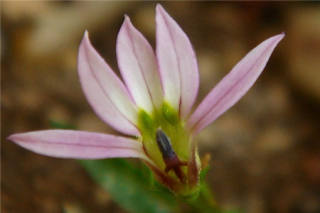
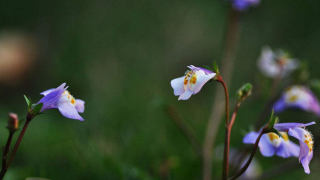
From our perspective as Lobelia plants, containers offer a uniquely favorable environment. Our roots, which prefer a moist but exceptionally well-drained medium, find the controlled soil mix of a pot to be ideal. Unlike being planted directly in the ground, where we might compete with more aggressive root systems or suffer in poorly draining clay, a container provides a perfect, curated home. The elevation of the pot also allows our trailing varieties to cascade freely, showcasing our natural growth habit without our stems being damaged by soil contact or heavy rain. Furthermore, for us tender perennial types, containers mean mobility; when temperatures drop, our human caretakers can simply move us to a sheltered location, ensuring our survival.
We, the Lobelia erinus cultivars, are undoubtedly the most popular choice for container gardening, and for good reason. Our growth habit is naturally prostrate and spreading, making us perfect for spilling over the edges of hanging baskets, window boxes, and the rims of large pots. We create stunning waterfalls of color. Key varieties we recommend from within our group include:
'Richardii': This is a classic. We produce vibrant azure-blue flowers with a distinctive white eye. Our stems are strong and can trail up to 12 inches, creating a dense, floriferous curtain.
'Sapphire': As our name suggests, we are prized for our intensely deep sapphire-blue flowers set against bronze-green foliage. This contrast makes our display particularly striking, and we are known for our heat tolerance.
'Fountain Series': This is a group of us bred for uniformity and an exceptionally long blooming period. We come in a mix of blues, whites, pinks, and purples, offering a versatile palette for any container design.
While our trailing cousins provide the softness, we, the taller Lobelias, offer dramatic vertical accents. We are best used as the "thriller" component in a large container combination. Our flower spikes rise majestically above other plants, drawing the eye upward.
Lobelia cardinalis (Cardinal Flower): We are a North American native, and our claim to fame is our brilliant, true-red flowers. We prefer consistently moist soil, so a large container that doesn't dry out quickly is perfect. We attract hummingbirds, adding another layer of life to the garden.
Lobelia x speciosa 'Vedrariensis': This is a robust hybrid with tall spikes of deep violet-purple flowers. Our foliage is often tinged with bronze or purple, providing interest even when we are not in bloom. We are more tolerant of average moisture conditions than L. cardinalis but still appreciate consistent watering.
For gardeners in cooler climates seeking a container plant that will return year after year, we, Lobelia siphilitica, are an excellent option. We are a clump-forming perennial with sturdy, upright stems adorned with clear blue flowers in late summer. While we can be grown in the ground, a large, deep container allows our root system to establish well and survive the winter. Our late-season blooms provide a valuable source of nectar for pollinators when many other flowers are fading. We are less flamboyant than the Cardinal Flower but offer a calming, structural presence.
To help us thrive in your containers, please understand our core needs. First and foremost, we are thirsty plants. Our roots despise being completely dry. A well-draining potting mix is non-negotiable to prevent rot, but it must be kept consistently moist. Second, while we enjoy bright light for the best flower production, the intense afternoon sun in hot climates can scorch our leaves and stress us. A location with morning sun and afternoon shade is often ideal. Finally, regular feeding with a balanced, water-soluble fertilizer encourages the continuous blooming we are famous for. A little deadheading—gently removing our spent flowers—will keep us looking tidy and prompt us to produce even more blossoms.