From my perspective, I am a tiny, dust-like speck of life, dormant and waiting. I am a Lobelia seed. My needs are specific and quite different from larger seeds. I require light to break my dormancy. This is a crucial piece of information for you. If you bury me deeply in the dark, damp soil, I will simply sleep forever. I need to be gently pressed onto the surface of a fine, moist seed-starting mix, allowing the photons of light to reach my tiny shell and signal that it is time to awaken. My germination is also slow; patience is not just a virtue for you, it is a requirement for my survival. Do not give up on me.
The journey begins when you place me in a warm, bright location. The ideal temperature for me to sprout is around 70-75°F (21-24°C). A heat mat underneath my tray can be very encouraging. The growing medium must be consistently moist but never waterlogged. Think of a well-wrung sponge; that is the perfect level of humidity I desire. A fine mist spray is the best way to water me at this stage, as a strong stream of water will dislodge me and send me floating away. You can cover my tray with a clear plastic dome to maintain high humidity, but you must remove it periodically to allow for air circulation and prevent fungal growth, which I am very susceptible to. Within 10 to 15 days, you should see the first signs of life: tiny, delicate green shoots.
Once I have germinated, my needs change slightly. I still require abundant light, but now it is to grow strong and avoid becoming "leggy" – stretching thin and weak towards a light source that is too dim or too far away. A bright windowsill or, even better, a grow light positioned just a few inches above my leaves is ideal. This is also the time when you must be extremely careful with watering. My roots are minuscule and fragile. Water from the bottom by placing my tray in a shallow dish of water, allowing the soil to soak up moisture. This keeps my delicate stem and leaves dry and prevents "damping off," a fatal fungal disease that can wipe out an entire tray of seedlings like me in hours.
As I grow my first true sets of leaves (which look different from the initial seed leaves), I will start to feel crowded, especially since you likely sowed many of my siblings close together. Thinning is a necessary step for my health. You can snip the weaker seedlings at the soil line with small scissors to give the strongest ones room to expand. Soon after, when I have a few strong sets of leaves, it will be time to "pot me on." Gently lift me by a leaf, not the stem, and transplant me into a small individual cell or pot. This process encourages me to develop a stronger, more robust root system, which is the foundation for a healthy adult life. Handle me with the utmost care; my stem is easily bruised.
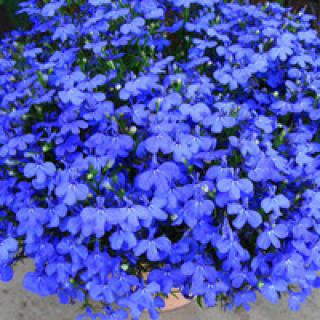
Before I can join your garden permanently, I need to acclimate to the harsh conditions of the outdoors. This process is called "hardening off." My leaves are tender and used to the stable, protected environment indoors. Suddenly placing me in full sun, wind, and cool nights would shock and likely kill me. Instead, please introduce me gradually. Place my pot in a sheltered, shady spot for a few hours each day, slowly increasing the time and exposure to sunlight over 7-10 days. Once all danger of frost has passed and I have toughened up, you can transplant me into my final home in a container or garden bed, where I will reward your care with a profusion of beautiful blooms all season long.