Peonies are renowned for their longevity, often outliving the gardeners who plant them. From a botanical perspective, their exceptional lifespan is a result of their specific growth habits, root structure, and adaptation to temperate climates. Understanding their biology is key to providing the care that allows them to thrive for decades.
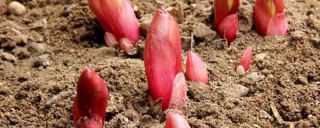
When discussing the lifespan of a peony, it is crucial to distinguish between the two main types: herbaceous and tree peonies. Herbaceous peonies (Paeonia lactiflora and others) are the most common. These plants die back to the ground each winter, with new shoots emerging from their root system in spring. A well-sited herbaceous peony can live for over 50 years, with many documented cases of plants thriving for a century or more. Their survival strategy relies on the energy stored in their thick, tuberous roots, which allows them to regenerate annually.
Tree peonies (Paeonia suffruticosa) are woody shrubs that do not die back. They lose their leaves in autumn but their woody stems remain. These plants have an even greater potential lifespan, often living for 100 years or more. Their growth is slower, and they develop a sturdy, woody structure that can support the plant for generations. In both cases, the peony is a perennial plant designed for long-term survival, not a short-lived ephemeral.
The remarkable lifespan of peonies is contingent upon several critical factors rooted in their physiology.
Root System Health: The heart of a peony's longevity lies underground. The crown (the point where roots meet stems) and the thick, fleshy storage roots must be healthy. Damage to the crown, such as from planting too deep or rot caused by poor drainage, is the primary cause of premature death. The roots store carbohydrates that fuel spring growth and enable the plant to survive dormancy and recover from stress.
Proper Siting and Sunlight: Peonies are sun-loving plants. They require a minimum of 6 hours of direct sunlight per day to photosynthesize efficiently and produce the energy needed for long-term health and flowering. Insufficient light weakens the plant over time, making it susceptible to disease and reducing its lifespan.
Soil Conditions and Drainage: Perhaps the most critical factor is soil drainage. Peony roots are highly susceptible to rot in waterlogged soil. They thrive in deep, fertile, well-draining soil. Good drainage ensures that the crown and roots remain healthy and oxygenated, preventing fungal diseases that can kill the plant.
To maximize a peony's inherent potential for a long life, care practices must align with its biological needs.
Planting Correctly: This is the most important step. The eyes (pink or red buds on the crown) of a herbaceous peony must be planted no more than 2 inches below the soil surface. Planting too deep is a common mistake that prevents flowering and can lead to rot. Tree peonies are grafted; the graft union should be planted 4-6 inches below the soil to encourage the tree peony to develop its own roots.
Watering and Fertilizing: Peonies are not heavy feeders. A balanced, low-nitrogen fertilizer or a top-dressing of compost applied in early spring is sufficient. Over-fertilizing, especially with high-nitrogen formulas, can lead to weak, floppy growth and increase susceptibility to disease. Water deeply but infrequently, allowing the soil to dry out between waterings.
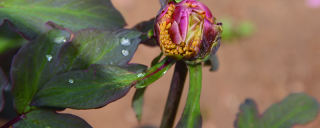
Disease and Pest Management: Peonies are generally pest-resistant, but botrytis blight (a fungal disease) can be an issue, especially in wet springs. Promoting good air circulation by not overcrowding plants and cleaning up all foliage in the fall helps prevent disease. Ants on peony buds are harmless; they are simply feeding on the nectar and do not harm the plant.
Minimal Division: Unlike many perennials, peonies do not need or want frequent division. They perform best when left undisturbed, as it takes several years for a new division to re-establish a robust root system. Division should only be considered if the plant has become too large for its space or flowering has significantly declined, and even then, it should be done with care in the autumn.