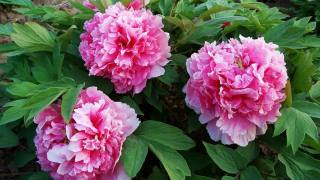
Peonies, belonging to the genus Paeonia, are prized perennial plants known for their large, fragrant, and often extravagant blooms. From a botanical perspective, the primary toxic component in peonies is not found in the flower petals themselves but concentrated in the roots and, to a lesser extent, the bark and seeds of the plant. The plant contains a compound called paeonol, along with other potentially irritating phytochemicals. These compounds are part of the plant's natural defense system against herbivores, fungi, and bacteria. While the concentration of these compounds can vary between species and cultivars, all parts of the peony plant should be considered potentially problematic if ingested by pets.
While paeonol is a known irritant, the primary toxic agent in peonies is generally identified as paeoniflorin, a monoterpene glycoside. Glycosides are molecules in which a sugar is bound to another functional group, in this case, a paeoniflorin aglycone. When ingested by a pet like a dog or cat, metabolic processes can break down these glycosides, potentially releasing compounds that cause gastrointestinal distress. It is crucial to understand that the plant's toxicity is considered mild to moderate compared to highly poisonous plants like lilies (for cats) or oleander. The mechanism is primarily one of irritation rather than systemic organ failure, though significant consumption can lead to more serious complications.
The symptoms observed in a pet that has ingested peony material are a direct result of the plant's defensive chemicals acting on the animal's system. The most common signs are related to gastrointestinal irritation. These include vomiting, diarrhea, and abdominal pain. The vomiting is a direct physiological response to the irritating compounds. From the plant's perspective, inducing vomiting in a herbivore is an effective survival strategy, as it discourages further consumption. In rare cases of ingesting a very large quantity, particularly of the more toxic roots, the toxins can have a stronger effect, potentially leading to depression or lethargy. It is highly unlikely, however, for a pet to consume a lethal dose from casual nibbling on leaves or fallen petals.
Not all parts of the peony plant pose an equal risk. The highest concentration of toxic compounds is found underground in the roots and tubers, which the plant uses for energy storage and from which it must defend itself most vigorously. The bark of the stems also contains these compounds. The leaves and flowers (petals) contain much lower levels. Therefore, the greatest danger arises if a pet digs up and chews on the root system of a peony plant. Chewing on a stem or eating a fallen petal is far less likely to cause a severe reaction, though it may still result in mild vomiting or drooling in sensitive individuals. This variation in toxicity across plant structures is a common feature in the plant kingdom, with defenses often concentrated in the most vital parts.
For a pet owner who is also a gardener, understanding the plant's biology helps manage the risk. Peonies are not considered highly attractive or palatable to most dogs and cats. They do not produce berries or seed pods that are enticingly colorful and tasty like some other toxic plants (e.g., Jerusalem cherry). The main risk is often from curious chewing rather than targeted consumption. The plant's primary defense—its bitter-tasting compounds—often serves as a natural deterrent. A pet would typically need to ingest a significant amount of plant material, especially the roots, to experience more than a mild, self-limiting stomach upset. Nevertheless, due to the presence of these defensive chemicals, it is prudent to prevent pets from accessing and ingesting any part of the peony plant.