From a botanical perspective, the single most critical factor in selecting a peony variety is its requirement for a period of winter dormancy. Peonies are temperate plants that have evolved to survive cold winters. During this dormant period, they require a sustained number of "chill hours"—hours where temperatures remain between 32°F (0°C) and 40°F (4°C). This chilling is not merely a period of rest; it is a physiological necessity. The cold temperatures trigger biochemical changes within the plant's root system, specifically the eyes (growth buds), that break dormancy and initiate the complex process of flowering in the subsequent spring. Without sufficient chill, a peony will struggle to grow, will produce weak, spindly stems, and will likely fail to bloom entirely.
Not all peonies have identical cold requirements. Their needs are largely determined by their species and hybrid ancestry, which reflect their evolutionary origins. The three primary types are Herbaceous, Tree, and Intersectional peonies, each with distinct growth habits and chill demands.
Herbaceous Peonies (Paeonia lactiflora and others): These are the most common garden peonies. They die back to the ground each winter and re-emerge in spring. Most herbaceous varieties require a significant winter chill, thriving in USDA zones 3 through 8. In zones 7 and 8, they must be planted shallowly to ensure the eyes receive enough chill without being exposed to excessive heat.
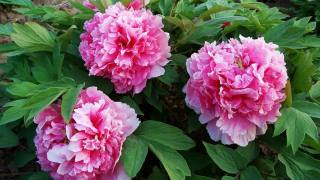
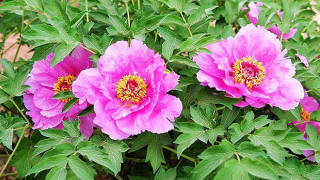
Tree Peonies (Paeonia suffruticosa): These are woody shrubs that do not die back. They are generally more cold-hardy than herbaceous types, often succeeding in zones 4 through 9. However, a late spring frost can damage their early-emerging, woody buds. Their deeper root system can access cooler soil, but they still require a distinct dormant period.
Intersectional or Itoh Peonies: These hybrids between herbaceous and tree peonies inherit the best traits of both. They exhibit the die-back habit of herbaceous peonies but with the larger, often more complex flowers of tree peonies. Their chill requirements are typically similar to those of herbaceous peonies, making them suitable for zones 4 through 8.
The USDA Hardiness Zone map is an essential tool because it provides a baseline for average annual minimum winter temperatures. However, selecting a peony requires interpreting your zone through the lens of the plant's needs.
For Cold Climates (Zones 3-5): Nearly all peony types will thrive here, as the long, cold winters provide ample chill hours. The primary concern is protecting the plants from extreme temperature fluctuations in late winter, which can heave the roots of herbaceous peonies out of the ground. A layer of mulch applied after the ground freezes can mitigate this.
For Moderate Climates (Zones 6-7): This is the sweet spot for many peonies. Winters are cold enough to satisfy chill requirements without being excessively harsh. Careful attention should be paid to providing adequate sunlight and well-draining soil to prevent root rot in warmer, wetter springs.
For Warm Winter Climates (Zones 8-9): Success here requires careful variety selection. Standard herbaceous peonies often fail. Gardeners must seek out "low-chill" or "southern" peony varieties. Certain species peonies, such as Paeonia tenuifolia or some early-blooming Paeonia officinalis cultivars, are better adapted. Tree peonies can be a more reliable choice in these zones. The key is to provide a planting site with afternoon shade to protect the plant from intense heat and to ensure the root zone stays as cool as possible.
For Very Warm Climates (Zone 10 and above): Growing standard peonies is exceptionally challenging and often unsuccessful due to a complete lack of sufficient winter chill. Forcing dormancy through specialized techniques is generally required, which is not practical for most gardeners.
Beyond the broad USDA zone, a plant's immediate environment—its microclimate—is paramount. A sheltered, north-facing slope will remain cooler than a south-facing brick wall, potentially creating a suitable pocket for a peony in a zone that is otherwise borderline. Furthermore, soil condition directly impacts root health. Peonies demand deep, fertile, and exceptionally well-draining soil. Heavy, waterlogged soil will lead to root rot (Botrytis), which is a primary cause of failure regardless of zone. Amending the soil with compost and ensuring proper drainage is a non-negotiable step for establishing a healthy peony that can withstand the climatic stresses of its designated zone.