From our perspective as peony plants, the most critical concept you need to understand is our need for consistent moisture. This does not mean we enjoy having our roots constantly drowned in water. Quite the opposite. We abhor "wet feet." Saturated soil fills the air pockets around our roots, suffocating us and inviting rot-causing pathogens to attack our fleshy tuberous roots. What we truly crave is soil that feels like a well-wrung-out sponge – moist to the touch but not dripping. This environment allows our roots to breathe while absorbing the water and nutrients we need to fuel our spectacular spring blooms and build energy reserves for the next year.
Your watering routine is most vital during our first year in your garden. When you first plant us, we are focused almost entirely on root development. Our energy is directed downward to establish a strong, extensive root system that will sustain us for decades. During this initial growing season, we need your help. Please provide us with about 1 inch of water per week, either from rainfall or supplemental watering. The key is deep, infrequent watering. A long, slow soak that penetrates 6-8 inches into the soil is far better than a daily sprinkling that only dampens the surface. Deep watering encourages our roots to grow downward, making us more resilient and drought-tolerant in the future.
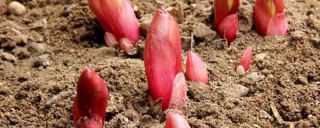
Our water needs are not static; they change with our annual growth cycle. In early spring, as our red shoots emerge from the soil, we are incredibly thirsty. This is a period of rapid growth for stems and leaves. Consistent moisture is essential to support this vigorous development. As we begin to form buds and flower, our demand for water peaks. A lack of water at this stage can lead to smaller blooms, drooping stems, or buds that fail to open. After the glorious bloom period, our focus shifts back to root and energy storage. Continue to water us regularly through the summer if conditions are dry. As autumn arrives and our foliage begins to die back, you can gradually reduce watering. We are preparing for dormancy, and our water requirements diminish significantly.
You must become a detective for our needs, as they are influenced by our immediate environment. The type of soil we are planted in makes a tremendous difference. If we are in fast-draining sandy soil, we will need water more frequently as moisture drains away quickly. If we are in heavy clay soil, which holds water for a long time, you must be very careful not to overwater us. The amount of sun we receive also matters. Peonies in full sun may dry out faster than those in partial shade. Most importantly, let the soil itself be your guide. Before watering, push your finger 2-3 inches into the soil near our base. If it feels dry at that depth, it is time for a drink. If it still feels moist, wait another day or two.
We will communicate our discomfort if our watering needs are not met. If we are thirsty and underwatered, you will see our leaves wilt, particularly during the heat of the day. While we may recover in the cooler evening, consistent wilting stresses us and weakens our overall health. Our growth may be stunted, and our blooms will be lackluster. The signs of overwatering are often more sinister and fatal. Yellowing leaves, particularly lower on the stem, that feel soft and mushy are a key indicator. A general lack of vigor and stunted growth can also signal root rot. If you suspect overwatering, you must act quickly to improve drainage around us, as our tuberous roots can quickly succumb to decay.