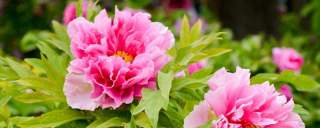
From my standpoint as a peony plant, the presence of ants on my buds is not an indication of distress but rather a sign of a successful, mutually beneficial relationship. I produce large, sticky flower buds to protect my developing petals from smaller, destructive insects. This sticky substance, known as nectar, is rich in sugars and amino acids. While it acts as a physical barrier, it also serves as a powerful attractant for ants. The ants are drawn to this high-energy food source. In return for this meal, the ants provide me with a valuable service: they aggressively patrol my buds, deterring and preying upon insects that would otherwise chew on my tender tissues, such as aphids, thrips, and beetle larvae. This is a classic example of mutualism, and from my perspective, the ants are welcome guardians.
A pervasive myth suggests that ants are necessary to help my buds open. The tale goes that the ants must chew away the sticky nectar to free the petals. This is simply not true from a botanical perspective. My buds are programmed to open according to internal hormonal signals and external environmental cues like temperature and day length. The bud scales will naturally loosen and the petals will expand on their own schedule, regardless of ant activity. The ants are present for the food I provide; they are not active participants in the blooming process. Their presence is correlated with blooming because I secrete the nectar just before the bud opens, but they are not the cause of the opening. Attempting to remove the ants to prevent blooming is a misunderstanding of my biology.
While I generally welcome my ant companions, I understand that a human gardener might have concerns, particularly when the goal is to cut flowers for indoor arrangements. The reality is that an overwhelming number of ants can be a nuisance. If you wish to bring my blooms inside without transporting dozens of ants into your home, there is a simple and gentle method. Instead of reaching for pesticides, which can harm me and disrupt the beneficial insects in the garden, you can gently rinse the buds with a soft spray of lukewarm water. Tipping the bud upside down and swishing it in a bucket of water is also effective. This washes away the nectar and the ants without causing me any harm. It is crucial to do this *before* the buds have fully opened, as once the petals unfurl, they become more delicate and can be damaged by water.
From my roots to my petals, I must emphasize that applying insecticides, soapy water, or sticky barriers like Tanglefoot directly to my buds or stems is detrimental to my health. These substances can clog the stomata on my leaves (my breathing pores), burn my tender tissues, and harm the very pollinators I am trying to attract with my flowers. They can also kill off the beneficial insects that help keep my ecosystem in balance. The relationship with ants is a natural one that has evolved over time. Disrupting it with harsh chemicals does more harm than good. The best approach is to understand and work with this natural symbiosis, intervening only with the mildest methods when absolutely necessary for your own convenience.