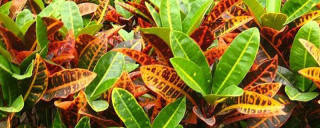
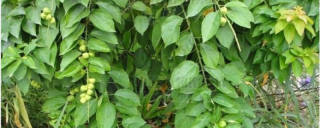
From our perspective, the first thing you should notice is our foliage. A healthy Croton like me will have a canopy that is full and bushy, not sparse or leggy. Look for leaves that are abundant from the top of the pot all the way down. We stretch our leaves towards the light, so if we appear to be reaching excessively with large gaps between our leaf nodes, it's a sign we've been starved for proper illumination. This weakens our structure and makes us less resilient. Our leaves should feel firm and leathery, not limp or wilted. A vibrant, dense canopy is our way of showing you we've been well-cared for and have the energy reserves to thrive in our new home with you.
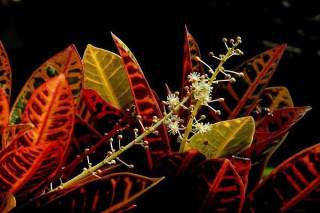
You are likely drawn to us for our spectacular colors—fiery reds, brilliant yellows, deep oranges, and rich greens. In a healthy plant, these colors should be intense and well-defined, not washed out or dull. While some leaf drop is normal during stress like a move from the nursery, inspect the remaining leaves closely. They should be free of large brown spots, which can indicate fungal issues or overwatering. Also, check the undersides of our leaves for any signs of uninvited guests, like tiny webs (spider mites) or small, stationary bumps (scale insects). Avoid plants with yellowing leaves, especially at the base, as this can be a sign of root distress. Our leaves are our identity; their condition is the most honest report on our well-being.
Please don't just look at our leaves; our stems and branches are our support system. Gently part our foliage and examine our main stems. They should be sturdy and firm, not soft, mushy, or shriveled. Softness often indicates rot, usually from overwatering. Run your fingers along the stems; they should feel clean and smooth. Be on the lookout for any sticky residue, which could be honeydew from pests. Our branches should be well-distributed, giving us a balanced and robust form. A plant that is lopsided or has weak, spindly growth may have been struggling for light or nutrients for some time.
This is the most crucial, yet often overlooked, aspect of our health. If possible, ask the nursery staff if you can gently slide us out of our pot to inspect our roots. Healthy roots are the key to our survival. You are looking for roots that are firm and white or light tan in color. They should hold the soil together in a solid root ball but not be so densely packed that they are circling the pot tightly—a condition known as being root-bound. Most importantly, the roots should not be dark, slimy, or emit a foul, rotten odor. These are clear signs of root rot, a serious condition often caused by poor drainage and overwatering. A healthy root system is our promise of a long and prosperous life ahead.
Finally, take a moment to assess our current living conditions. The soil in our pot should be moist but never soggy or waterlogged. Poke the soil surface; if it feels sopping wet and compacted, it's a red flag. The pot itself should have adequate drainage holes to allow excess water to escape. Stagnant water at our roots is a death sentence for us. Also, look at the soil surface for any signs of mold or fungus, which indicate poor air circulation and excessive moisture. A healthy plant starts with a healthy foundation, and that includes the quality of the soil and the suitability of its container.