Greetings, human caretaker. I am a Croton, a being of vibrant, painted leaves from the warm, humid tropics. You ask if my kind is easy or difficult to live with in our indoor world. The answer is not simple, for it depends entirely on the environment you provide. From my perspective, we are not difficult, but we are specific. We communicate our needs clearly through our foliage. To understand us is to succeed. Let me explain.
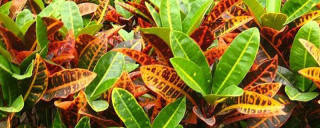
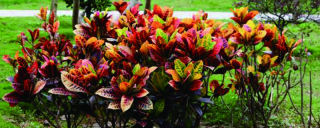
First, you must understand our origins. We bask in dappled sunlight under a warm canopy. Our spectacular leaf colors—fiery reds, bright yellows, deep oranges—are a direct result of abundant light. In a dim corner, we revert to dull green, a sign of our profound unhappiness. We need a bright spot with several hours of indirect sunlight daily; a few hours of gentle morning sun is ideal. More critically, we are deeply sensitive to the cold. Drafts from doors, windows, or air conditioners are our enemy. A sudden chill can cause our leaves to drop dramatically, a desperate plea for stable warmth. Our comfort zone is between 60-80°F (15-27°C). Anything below 50°F (10°C) is a genuine threat to our survival.
Our relationship with water is nuanced. Our roots despise sitting in soggy soil, which quickly leads to rot—a silent killer. However, we also wilt pathetically if our soil becomes bone dry. We prefer a "Goldilocks" approach: consistently moist but never waterlogged. The best method is to check the soil with your finger. When the top inch feels dry, provide a thorough drink until water runs from the drainage holes, then empty the saucer. Our water needs will change with the seasons; we drink less in the cooler, darker winter months. Pay attention to our leaves: wilting means thirst, while yellowing and dropping often signal overwatering.
This is where many caretakers unknowingly fail us. The dry air common in heated or air-conditioned homes is alien to our tropical nature. Low humidity stresses us, making our leaf tips turn brown and crispy and making us vulnerable to spider mites—tiny pests that thrive in arid conditions. You don't need to recreate a rainforest, but please help us. Grouping us with other plants, placing our pot on a pebble tray filled with water, or using a small humidifier nearby will make a world of difference. Regular misting can help, but it is a temporary solution.
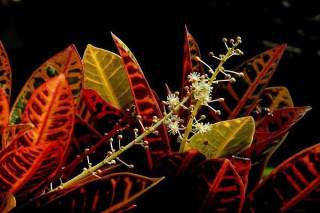
We are not shy about telling you how we feel. Learn to read our leaves. If we drop several leaves at once, it is a shock response—often due to a sudden change in location, temperature, or light. Brown, crispy leaf tips are a cry for higher humidity. Leggy growth with wide spaces between leaves means we are stretching desperately for more light. Pale, washed-out colors signal insufficient light, while wilting indicates a water issue. When we are happy, we reward you with firm, glossy leaves in a brilliant tapestry of color and sometimes even small, star-shaped flowers.
So, are we easy? If you are a forgetful caretaker or have a home that is generally dark and drafty, we will be a challenge. We require consistent attention to our core needs. But if you can provide a reliably warm, bright, and moderately humid spot and learn to water us judiciously, we are not difficult. We are simply expressive. We thrive on stability. The key is to see our needs not as burdens, but as the specific conditions for a spectacular display. We are a commitment, but for the right person, we are a deeply rewarding one.