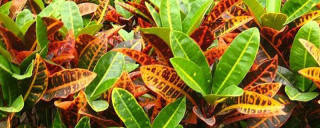
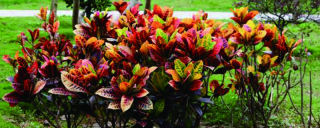
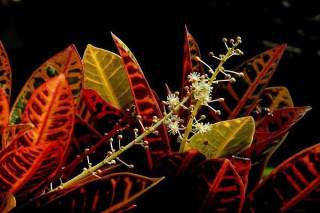
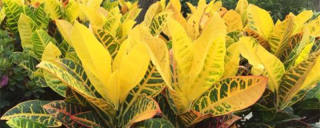
First and foremost, let's talk about light. You humans often misjudge our needs. You see my brightly colored leaves—splashed with red, orange, and yellow—and think I must be delicate, that direct sun will scorch me. The opposite is true! My vibrant pigments are my way of soaking up intense light. When you place me in a dim corner, I am essentially starving. I can't produce enough energy through photosynthesis to support new growth. My system goes into survival mode, conserving the little energy I have just to keep my existing leaves alive. There's nothing left for growing new stems or leaves. I need several hours of bright, direct sunlight every day, preferably from an east or south-facing window. Without it, I will remain stunted and my colors will fade to a dull green.
Watering is a delicate dance, and it's crucial you get the rhythm right. My soil is my entire world. If you keep it constantly soggy, you are suffocating me. My roots need oxygen as much as they need water. Sitting in waterlogged soil causes my roots to rot, turning them from firm, white anchors into mushy, brown strands that cannot absorb water or nutrients. From my perspective, it's like trying to breathe underwater. I can't take up what I need, so my growth halts completely, and my leaves may wilt or drop in a desperate protest.
On the other hand, if you let my soil become bone dry, I am faced with a severe drought. I will curl my leaves to minimize moisture loss and direct all remaining resources to my core, abandoning any plans for expansion. The goal is a consistent moisture level—soil that feels like a well-wrung sponge. Water me thoroughly when the top inch of soil is dry, and always let the excess water drain away completely.
Growing those large, leathery, multicolored leaves requires a lot of energy and building blocks. If I've been in the same pot for a long time, I will have consumed most of the available nutrients in the soil. It's like you trying to build a house with no bricks or lumber. A balanced, liquid fertilizer during my active growing season (spring and summer) gives me the essential nitrogen, phosphorus, and potassium I need to create new cells. However, too much fertilizer, especially in low-light conditions, is like force-feeding me junk food. The salts in the fertilizer can build up in the soil and burn my delicate root tips, causing more harm than good. Please, feed me sparingly and wisely.
Look down at my pot. Can you see my roots circling the surface of the soil or poking out of the drainage holes? If so, I am severely root-bound. There is no room for my roots to explore and gather new resources. All my energy is spent just trying to sustain myself within a cramped space. Repotting me into a container that is only one or two inches larger in diameter gives my root system the space it needs to spread out and support new top growth. Fresh, well-draining potting mix at the same time is like giving me a new, fertile territory to inhabit.
I am a tropical plant, and I thrive in the warm, humid air of my native environment. Your home, especially with air conditioning or heating, can be very dry. This low humidity stresses me out, making it difficult for me to transpire properly and increasing my risk of pest infestations from spider mites, who love dry conditions. These tiny pests suck the sap from my leaves, further weakening me and stunting my growth. A gentle misting, a pebble tray with water, or a nearby humidifier can make my environment feel much more like home, allowing me to focus my energy on growing rather than just surviving.