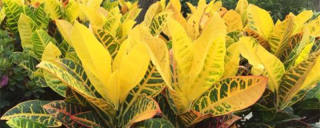
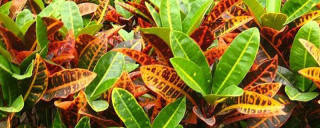
From my perspective as a Croton plant, the most common reason my lower, older leaves turn a sickly yellow is because my roots are drowning. You see, my roots need to breathe just as much as my leaves do. They require oxygen from the air pockets in the soil. When you are too generous with water, it fills all those precious air pockets, creating a suffocating environment. The delicate root hairs, responsible for absorbing water and nutrients, begin to rot and die in this waterlogged condition. Once the root system is compromised, it can no longer transport sufficient moisture and nourishment to my entire structure. My survival instinct kicks in, and I make a strategic decision: I sacrifice my oldest leaves to conserve resources for the newer growth and the main stem. The yellowing is a visible distress signal, a plea for you to let my roots breathe again.
Closely related to overwatering is the issue of my home—the pot. Even if you water me with perfect timing, if my container lacks a proper escape route for excess water, the outcome is the same: waterlogged soil. A pot without drainage holes is like a bathtub with a closed drain. Every drop of water you add remains trapped at the bottom, creating a stagnant, anaerobic swamp around my root ball. This is a death sentence for my root system. Furthermore, the type of soil you plant me in is critical. A dense, heavy soil mix, often labeled as generic "garden soil," retains water for far too long. I thrive in a loose, chunky, and well-aerated potting mix that allows water to flow through freely, providing moisture without suffocation. My yellow leaves are a direct protest against a poorly designed living environment.
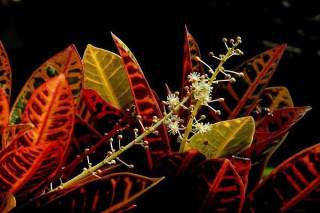
My brilliantly colored leaves—splashed with vibrant red, orange, and deep green—are my pride and joy. These pigments are developed in response to abundant, bright, indirect light. When you place me in a spot that is too dim, I experience a kind of identity crisis. The lack of light hinders my photosynthesis process, the very engine of my growth. To cope with the low energy production, I may begin to shed leaves that are no longer efficient. The older, lower leaves are often the first to yellow and drop because they receive the least amount of light. This is my way of reducing energy consumption and reallocating resources. While I don't appreciate direct, scorching sunlight that can burn my foliage, I am a sun-worshipper at heart, and my leaf color is a direct reflection of the light I receive.
I must confess, I am a sensitive soul, especially when it comes to change. When you bring me home from the nursery or move me to a new location, the sudden shift in light, humidity, and temperature is a significant shock. It is common for me to respond by dropping a number of my leaves, which typically yellow first. This is a normal acclimation process as I adjust to my new surroundings. Additionally, I am a tropical plant, and I despise the cold. Drafts from a leaky window, an air conditioning vent, or a sudden drop in temperature can cause severe stress. Cold drafts disrupt my internal water transport and metabolic processes, leading to leaf yellowing and drop. I prefer a consistently warm and stable environment, much like my native habitat.
While less common than the issues above, a lack of essential nutrients can also cause my leaves to yellow. I am a moderately hungry plant, especially during my active growing season in spring and summer. The nitrogen in fertilizer is crucial for maintaining the green chlorophyll in my leaves. If I am starved of nitrogen, the older leaves will often turn a uniform yellow as the plant mobilizes the limited nitrogen to support new growth. However, it is crucial to diagnose this correctly, as the symptoms can mimic overwatering. Feeding me without addressing a root rot problem can actually make the situation worse. A balanced, gentle fertilizer during the growing season helps keep my foliage vibrant and healthy.