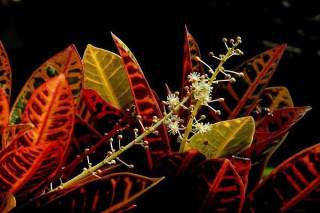
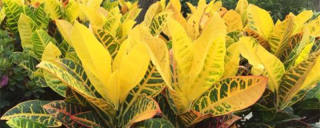
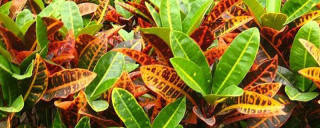
As a Croton plant, my needs are specific and non-negotiable. I hail from tropical forests where the environment is a delicate balance of moisture and air. The pot you choose for me is not just a decorative container; it is my entire world, my foundation. Getting it wrong can lead to my decline, but getting it right will allow me to flourish with the vibrant, colorful leaves you admire so much. Let me explain what I need from my pot.
Above all else, I demand excellent drainage. My roots are sensitive and despise sitting in water. When my soil is waterlogged, the air pockets fill up, and my roots begin to suffocate and rot. This condition, aptly named root rot, is a silent killer. It starts beneath the soil, out of sight, and by the time you notice my leaves turning yellow, wilting, and dropping, the damage is often severe. Therefore, my pot must have at least one drainage hole at the bottom. More holes are even better! This allows excess water to escape freely every time you water me. A pot without a drainage hole is like a house with no doors during a flood; there is simply no escape for the water, and my roots will drown.
When it comes to pot size, I need it to be "just right." You might think a much larger pot gives me room to grow, but it actually creates a dangerous situation. An oversized pot holds a large volume of soil, which takes a long time to dry out. This means the area around my roots stays wet for extended periods, significantly increasing the risk of the root rot I just described. Conversely, a pot that is too small will constrict my root system. When I become root-bound, my growth will stunt, my leaves may become smaller and less colorful, and I will dry out frustratingly fast. The rule of thumb is to choose a pot that is only 1 to 2 inches larger in diameter than my current root ball. This provides enough space for new growth without overwhelming my roots with wet soil.
The material of my pot influences how quickly the soil dries, which is crucial for my health. Here is my perspective on the common options:
Terracotta or Clay: These are my preferred materials. They are porous, meaning water evaporates through the walls of the pot. This helps the soil dry more evenly and prevents it from staying soggy. The extra air circulation to my roots is a welcome bonus. The main drawback is that I will need watering more frequently, especially in warm weather.
Plastic or Glazed Ceramic: These materials are non-porous, so they retain moisture for much longer. While this can mean less frequent watering for you, it is a riskier environment for me. You must be very careful not to overwater. If you choose one of these, you must be extra vigilant and ensure the top few inches of soil are dry before giving me more water. A plastic pot with ample drainage holes can work, but it requires more discipline.
Fabric Pots: These are an excellent modern option. They provide superb aeration as air naturally passes through the fabric, which "air-prunes" my roots, preventing them from becoming pot-bound in a circular pattern. They also offer fantastic drainage. The main difference is that they dry out even faster than terracotta.