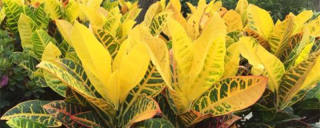
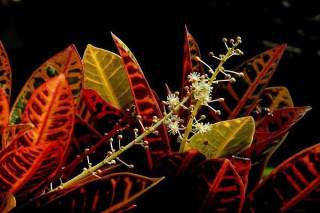
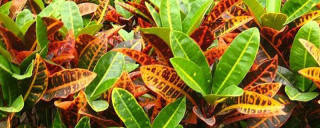
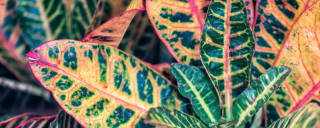
I hail from the warm, tropical forests of Southeast Asia and the Pacific Islands. In my native home, the air is consistently moist, filled with the humidity that rises from the rich soil and frequent rains. This is the environment my roots, leaves, and entire physiology are designed for. When you bring me into your home, you are essentially asking me to adapt to a completely different world. The air in most human dwellings, especially during winter with heating systems or in arid climates, is incredibly dry from my perspective. This disparity between my needs and your indoor conditions is the central challenge we must address together.
You might wonder why I make such a fuss about moisture in the air. It's not just a preference; it's a matter of survival. Unlike you, I cannot regulate my water intake internally. I absorb water through my roots and lose it through tiny pores on my leaves, called stomata. These stomata need to open to breathe in carbon dioxide, which is essential for my photosynthesis—how I create my own food. In dry air, water evaporates from my leaves far too quickly. To prevent myself from dehydrating, I am forced to close my stomata. This means I can't breathe properly or create enough food, leaving me stressed, weak, and vulnerable.
I will communicate my discomfort to you quite clearly if you know what to look for. The most common sign is crisp, brown leaf tips and edges. This is literally my leaf tissue dying because it has lost too much moisture. You might also see my beautiful, vibrant leaves start to droop or curl inwards, an attempt to reduce their surface area and slow down water loss. Perhaps the most distressing signal is when I drop my leaves. This is a severe survival tactic; by shedding foliage, I reduce the number of leaves I need to support, conserving water for my core structure. If you see this, I am in significant distress.
For me to truly thrive, not just survive, I need a relative humidity level between 40% and 60%. At this level, my stomata can function optimally, allowing for efficient photosynthesis and robust growth. My leaves will remain supple, large, and display those intense, jewel-like colors I am famous for—deep greens, bright yellows, fiery reds, and vibrant oranges. Staying within this range prevents the stress that leads to the problems mentioned above and helps me resist pests like spider mites, which adore dry, stressed plants.
Fortunately, you don't need to turn your entire home into a rainforest. You can create a small, perfect zone just for me. Grouping me with other plants is a wonderful idea. As we all release moisture through our leaves (a process called transpiration), we collectively raise the humidity in our immediate vicinity. Placing my pot on a pebble tray is another excellent method. Fill a shallow tray with pebbles and water, and set my pot on top, ensuring the pot's base is not sitting directly in the water. As the water evaporates, it surrounds me with a gentle blanket of humidity. For the most consistent solution, especially in very dry homes, a small humidifier placed near me can work wonders, allowing you to precisely control my environment. A gentle misting of my leaves can provide a temporary boost, but it is not a long-term solution on its own.