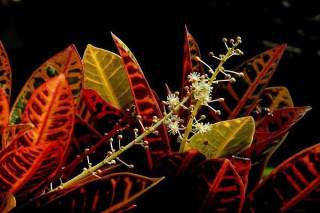
Hello, dedicated plant caregiver. It is I, your Croton, speaking to you from my sun-drenched spot. You're wondering about the process you call "repotting." To me, it is a monumental event, a migration to a new land. It can be a time of great stress, but also of tremendous growth. Let me explain this from my perspective, so you can understand when I need it, why it's crucial, and how to make the journey as smooth as possible for me.
I cannot speak your language, but I communicate my needs clearly if you know how to look. The most obvious sign is when my roots begin to feel the confines of my current pot. You might see roots emerging from the drainage holes at my base, desperately seeking new territory. Above the soil, my growth may slow down or stop altogether, even during the warm, sunny seasons when I should be thriving. Another sign is when I become excessively thirsty, needing water far more frequently than before. This is because the root mass has grown so large that it displaces the soil, leaving little room to hold moisture. If you gently lift me from my pot, you might see a tangled, circular mass of roots—a condition you call "root-bound." This is my silent plea for a new home.
Repotting is not just about size; it's about survival and vitality. In my cramped pot, my roots become congested and cannot effectively absorb the water and nutrients I need to fuel my vibrant, colorful leaves. Fresh potting mix is like a nutrient-rich, well-aerated soil for you. It provides new organic matter for me to feed on and improves the flow of oxygen to my root system, which is as vital to me as air is to you. Furthermore, over time, the minerals in tap water and fertilizers can accumulate in the old soil, creating a toxic, salty environment that can burn my delicate root tips. A new pot with fresh soil gives me a clean slate, allowing me to focus my energy on producing the spectacular, painted-leaf foliage you admire so much.
Please, be gentle. This process is traumatic for me. The best time to do this is in the spring or early summer, when I am naturally entering my strongest growth phase. This gives me the best chance to recover quickly. First, please water me lightly a day before the move. This will help the root ball hold together and reduce shock. When you lift me out, please don't pull me by my stems; tip the pot sideways and coax me out. Once I'm free, gently loosen the outer roots with your fingers. If they are severely matted, you can make a few vertical cuts into the root ball to encourage them to grow outward into their new space.
My new home should be only one pot size larger—a diameter increase of about 2 inches (5 cm) is perfect. A pot that is too large will hold excessive moisture around my roots, leading to rot. Ensure this new pot has excellent drainage holes. Place a layer of fresh, well-draining potting mix at the bottom. Then, position me in the center so that the top of my root ball sits about an inch below the rim. Fill in the spaces around me with more fresh soil, gently firming it to eliminate large air pockets, but please do not compact it too tightly. Water me thoroughly after repotting to help settle the soil around my roots. Finally, return me to my familiar sunny spot and allow me a few weeks to acclimate. Hold off on fertilizing for at least a month, as my new soil has plenty of nutrients and my roots need time to heal.