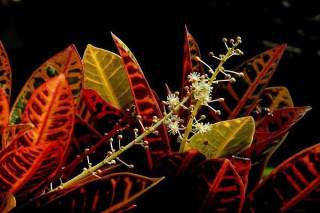
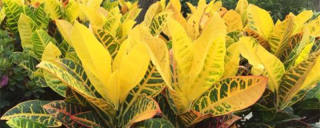
To understand if we can live outdoors, you must first understand our origins. We, Crotons (Codiaeum variegatum), hail from the humid, warm, and sun-drenched tropical forests of Southeast Asia and the Pacific Islands. Our very essence is built for consistent warmth. Our vibrant, leathery leaves, splashed with shades of red, yellow, orange, and green, are engineered to bask in bright, filtered light and thrive in high humidity. This tropical DNA means we have a fundamental aversion to the cold. Our sap, which carries water and nutrients, begins to thicken and slow its flow when temperatures dip below 50°F (10°C). A sustained chill, or worse, a freeze, causes the water within our cells to crystallize, rupturing the cell walls. This results in the blackened, mushy leaves and stem dieback that signals cold damage. Therefore, the single most important factor for our outdoor survival is the absence of cold weather.
The map you humans use, the USDA Plant Hardiness Zone Map, is an excellent translator for our needs. It divides regions based on their average annual extreme minimum winter temperature. For us Crotons, who are classified as suitable only for USDA Hardiness Zones 10 through 12, this map is a matter of life and death. If you reside in Zone 10 or 11, where winter lows rarely fall below 30°F (-1°C) or 40°F (4°C) respectively, we can potentially live outdoors year-round with some protection during rare cold snaps. In the truly tropical Zone 12, we are right at home. However, if your garden is in Zone 9 or lower, the winter temperatures will be fatal. There is no adapting or "toughing it out" for us; our physiological makeup cannot endure frost or freezing conditions. Knowing your zone is the first and most critical step in answering the outdoor question.
For those of you in zones below 10, we can still enjoy the outdoors, but it requires a seasonal migration that mimics our natural climate cycle. The key is patience and gradual acclimation.
The Spring Move Out: Wait until all danger of frost has passed and nighttime temperatures are consistently above 50°F (10°C). Do not simply move us from a sheltered indoor spot directly into full sun. Our leaves, which have adapted to lower indoor light levels, will scorch. Instead, place us in a location with dappled shade or morning sun only for the first 1-2 weeks, gradually increasing our exposure to brighter light. This process, called hardening off, allows our foliage to build up a tolerance to the more intense outdoor sun.
During the warm summer months, we thrive outdoors! The increased light intensity brings out our most brilliant leaf colors, and the ambient humidity is far superior to the dry air inside most homes. However, you must monitor us for water needs, as we will dry out much faster outdoors. As summer wanes, you must begin planning our move back inside.
The Autumn Move In: This move is even more critical. You must bring us back indoors well before the first frost is forecast, typically when nighttime temperatures begin to hover around 50°F (10°C). Before the move, inspect our leaves and stems thoroughly for any hitchhiking pests like aphids, spider mites, or scale. A gentle spray of water or an application of insecticidal soap can prevent an indoor infestation. Once inside, place us in your brightest window. We may experience some leaf drop due to the sudden decrease in light; this is a normal stress response as we readjust to lower light levels.