As a Peace Lily, known to humans as *Spathiphyllum*, I must begin by stating that light is our fundamental source of energy. Through the process of photosynthesis, we convert light energy into chemical energy (sugars) that fuels all our life processes, from building new leaves to producing our beautiful blooms. Without adequate light, this process slows down, akin to you trying to run a marathon on an empty stomach. While we are celebrated for our tolerance of "low light," this term is often misunderstood. From our perspective, "low light" does not mean "no light." It signifies a spot away from direct, harsh sunlight, such as a north-facing window or several feet back from a brighter, east or west-facing window. We cannot survive in perpetual darkness, like a windowless bathroom.
Yes, my kind can indeed live in low light conditions. Our evolutionary design makes us well-suited for this. In our natural habitat on the forest floors of tropical Central and South America, we are accustomed to receiving dappled sunlight filtered through the dense canopy of taller trees. Our leaves are adapted for this. They are broad and dark green, containing a high concentration of chlorophyll. This pigment is exceptionally efficient at capturing the photons of available light, even in shadier conditions. This adaptation allows us to maintain basic metabolic functions—we can produce enough energy to keep our existing leaves green and healthy and to grow new foliage, albeit at a much slower pace than we would in brighter, indirect light.
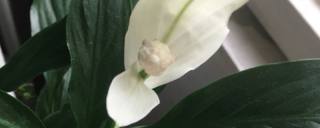
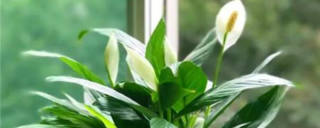
While survival is possible, blooming is an entirely different and energetically expensive endeavor. Producing a flower, especially a large, white spathe like mine, requires a significant surplus of energy. It is a luxury, a sign that we have more than enough resources not just to live, but to procreate. In consistently low light conditions, the energy produced from photosynthesis is primarily allocated to essential survival functions. There is simply not enough excess energy to initiate and sustain the complex process of flower formation. Therefore, if I am placed in a very dark corner, I will likely enter a state of maintenance. I will remain alive and green, but I will become a purely foliage plant, and you will not see my characteristic blooms.
To encourage me to bloom and to truly thrive, rather than just survive, I require more light than my minimum survival threshold. Bright, indirect light is our sweet spot. This is light that is strong and plentiful, but diffused, so it does not scorch our leaves. An east-facing window where I receive gentle morning sun is perfect. A spot near a west or south-facing window, shielded by a sheer curtain, is also ideal. In these conditions, my photosynthetic engine runs efficiently. I have ample energy for vigorous growth, producing larger, more numerous leaves, and, crucially, for developing flower stalks. The increased light acts as a signal that conditions are favorable for reproduction, triggering the blooming cycle. You will notice that blooms often appear as the days lengthen in spring and summer, responding to the increased light availability.
I will communicate my light conditions to you through my appearance. If I am receiving too much direct light, my leaves will turn yellow or develop brown, crispy spots or streaks. If I am in light that is too low, my growth will become leggy and stretched as I reach for any available light source. My leaves may become smaller, and the vibrant green may fade. Most tellingly, I will refuse to bloom. If you desire my flowers, please observe these signals. Moving me gradually to a brighter location (ensuring it is still indirect) is the most reliable way to encourage blooming. It is a partnership; by understanding my light needs from my perspective, you can help me not only live but flourish and share my beautiful blooms with you.