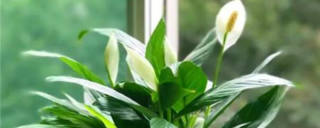
Hello there, it's me, your Peace Lily. I'm trying my best to communicate, and the yellowing leaves are my primary way of signaling that I'm not feeling my best. It's not necessarily a sign of impending doom, but rather a request for you to check on my living conditions. Let's go through the most common reasons together.
Water is a delicate balance for me. My leaves turning yellow can mean two opposite things. First, and most frequently, you might be giving me too much love in the form of water. My roots need to breathe, and when I'm sitting in constantly soggy soil, they begin to suffocate and rot. This root rot prevents me from taking up water and nutrients, causing my beautiful green leaves to turn a sad, yellow color, often starting from the bottom of the plant. On the other hand, if you forget about me for too long, I will become severely dehydrated. While I will usually wilt dramatically to show my thirst, prolonged drought will also cause my leaves to yellow and crisp up. The key is to water me thoroughly only when the top inch or two of my soil feels dry to your touch.
Like all living things, I need nutrients to maintain my vibrant green color. The green comes from chlorophyll, which requires nutrients like nitrogen to be produced. If I've been in the same pot for a long time, the soil's nutrients can become depleted. Without a steady, gentle supply of food, my older leaves may start to yellow as I move the limited nutrients to support new growth. However, please be careful! Giving me too much fertilizer, or fertilizing me when I'm dry and stressed, is like force-feeding me. It causes a buildup of salts in the soil that can actually burn my roots, leading to—you guessed it—yellow and brown leaf tips and margins. A balanced, diluted fertilizer every 6-8 weeks during the spring and summer is perfect for me.
I am a child of the forest floor, accustomed to dappled sunlight filtering through the trees. Direct, harsh sunlight, especially through a window, is too intense for me. It will scorch my leaves, causing yellow or brown, crispy patches. Conversely, if I'm kept in a very dark corner, I won't receive enough light energy to produce sufficient chlorophyll. This can lead to a general pale yellowing of my leaves, and I'll become leggy as I stretch weakly towards any light source. My ideal spot is in a bright room, but several feet away from a sunny window, or near a window with a sheer curtain.
There are a couple of other environmental factors to consider. I am quite sensitive to chemicals found in tap water, such as chlorine and fluoride. Over time, these can accumulate in my soil and cause the tips of my leaves to turn yellow and then brown. If possible, watering me with filtered or distilled water would make me very happy. Furthermore, as I grow, my roots can become pot-bound. If my roots are circling tightly around the inside of the pot, they can become stressed and unable to function properly, which can manifest as yellowing leaves. If it's been a year or two, I might appreciate being moved to a new home that's just one or two inches larger in diameter.