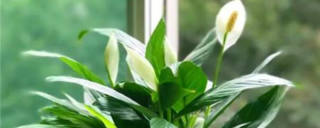
From my perspective as a Peace Lily, my life is one of quiet elegance, gracing indoor spaces with my dark green, lance-shaped leaves and graceful white blooms. However, this tranquility is sometimes disrupted by tiny, unwelcome visitors. These pests see my lush foliage not as beauty, but as a source of food and shelter. When they attack, I cannot run or swat them away; I can only show my distress through physical changes. Here is a detailed account of the invaders I face, how you can spot their handiwork on me, and how we can work together to restore my health.
These are perhaps my most dreaded foes. Spider mites are not insects but tiny arachnids, almost invisible to your eyes. They live on the undersides of my leaves, piercing my cells and sucking out the vital chlorophyll that gives me my green color and allows me to create energy. The first sign of their presence is usually a subtle, stippled pattern of tiny yellow or white dots on the upper surface of my leaves. As the infestation grows, you might see delicate, wispy webbing between my leaf stalks and along the veins underneath. My leaves will begin to look dull, dehydrated, and may eventually turn entirely yellow and crispy. They thrive in warm, dry conditions, so increasing humidity around me is a key preventative measure.
This group of pests also feeds by sucking my sap, but they leave a more obvious calling card: a sticky residue called honeydew. Aphids are small, soft-bodied insects that tend to cluster on my new, tender growth and the undersides of leaves. Their feeding causes my new leaves to curl, pucker, and become stunted. Mealybugs look like tiny tufts of white cotton, often hiding in the crevices where my leaf stalks meet the main stem, or at the base of my flowers. The honeydew they excrete is not just messy; it attracts sooty mold, a black fungus that coats my leaves, further blocking sunlight and hindering my photosynthesis.
Scale insects are particularly sneaky. In their juvenile "crawler" stage, they move around, but once they find a good feeding spot, they attach themselves to my stems and the undersides of my leaves and become immobile. They develop a hard, protective shell that makes them look like small, brown, bumpy growths. From beneath this armor, they continuously drain my sap, weakening me significantly. An infestation causes yellowing leaves, a general lack of vigor, and, like aphids and mealybugs, the production of sticky honeydew.
When you notice these signs, swift and consistent action is our best hope for recovery. Our strategy should be progressive, starting with the gentlest methods.
Initial Response: For light infestations, immediately isolate me from other plants to prevent the pests from spreading. Then, give me a thorough shower in the sink or with a hose sprayer, paying close attention to the undersides of every leaf. This physically dislodges a large number of the pests. Wiping my leaves with a soft cloth dipped in a solution of mild soapy water can also be very effective against aphids, mealybugs, and young scales.
Targeted Treatment: For more stubborn cases, especially with scale and spider mites, you may need to use a cotton swab dipped in isopropyl alcohol to dab directly on the pests. This dissolves their protective coatings and kills them on contact. For widespread issues, an insecticidal soap or horticultural oil spray (like neem oil) is a safe and effective option. These products work by suffocating the pests. Remember to coat all surfaces, especially the undersides of leaves, and repeat the application every 7-10 days to eliminate newly hatching eggs.
Last Resort: In severe, persistent infestations that are causing me to decline rapidly, a systemic insecticide absorbed through my roots may be necessary. This makes my sap toxic to sucking pests. This is a powerful measure and should be used with great care, following all label instructions precisely.