From my perspective as a Peace Lily, light is my primary source of energy. While you often hear that I am a "low-light plant," this is a slight misunderstanding. I am tolerant of low light, but I will not thrive in it. To produce flowers, a process that requires a massive investment of my energy, I need bright, indirect light. When placed in a deep, dark corner, my survival instinct kicks in. I direct all my resources into producing large, green leaves to capture every possible photon. Flowering becomes a luxury I cannot afford. If you see my leaves becoming deep green and stretched out, leaning towards the nearest light source, I am literally reaching for more energy. Please move me to a spot where I can see the sky but not the harsh, direct sun, which can scorch my leaves.
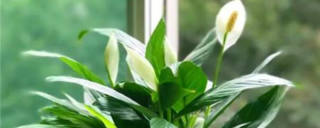
Flowering is an expensive endeavor for me. It requires specific nutrients, particularly phosphorus and potassium, to initiate and sustain the development of my beautiful spathe and spadix (the white "flower" and central spike). If you only feed me a fertilizer high in nitrogen, you are giving me instructions to focus on foliage growth. Nitrogen is like a command to "make more leaves!" I will respond by producing lush, green leaves at the expense of blooms. To encourage me to flower, I need a fertilizer that is balanced or one that has a higher middle number (e.g., 10-20-10), which represents phosphorus. However, too much fertilizer of any kind can harm my roots, so a gentle, monthly feeding during my active growing season (spring and summer) is perfect.
My relationship with water is delicate. I am known to droop dramatically when I am thirsty, a clear signal that I need a drink. While I usually recover well, repeated cycles of severe wilting are stressful. This stress tells me that conditions are unstable, and it is not a safe time to invest energy in reproduction (flowering). Instead, I focus on basic survival. On the other hand, if my roots are constantly sitting in soggy, waterlogged soil, they begin to suffocate and rot. A root system in distress cannot effectively absorb water or nutrients, leaving me weak and unable to support any function, let alone flowering. The goal is consistent, moderate moisture that keeps my soil lightly damp but never sopping wet.
This point might seem counterintuitive. I, like many plants, have a slight contradiction in my nature. I actually prefer to be slightly root-bound. When my roots fill the pot, it creates a sense of mild stress that can trigger my flowering instinct as a last effort to reproduce. However, there is a critical limit. If I become severely pot-bound, with a dense mat of roots circling the container, I can no longer function properly. There is little soil left to hold water and nutrients, and my roots become choked. At this point, the stress is no longer a productive trigger but a threat to my health. If I haven't flowered in years and my growth has stalled, it might be time to gently move me to a pot only one or two inches larger.
Finally, it is important to understand my natural rhythm. I do not flower continuously year-round. My typical blooming period is in the spring and early summer. After a flower fades and turns green or brown, it is finished. I need you to cut that stem off at the base so I do not waste energy trying to sustain it. After a bloom, I enter a resting phase where I gather energy for the next cycle. During this time, please be patient with me. Ensure my basic needs for light, water, and food are met, and I will likely reward you with another beautiful flower when my internal clock tells me the time is right.