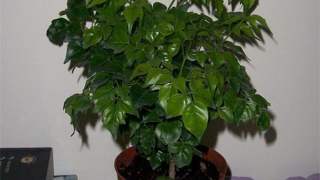
From my perspective as an Emerald Tree Philodendron (*Philodendron bipinnatifidum*), climbing is not a hobby or a trick; it is written into my very DNA. In my natural habitat, the tropical rainforests of South America, my survival depends on reaching the sunlight filtering through the dense canopy. I am a hemiepiphyte, meaning I begin my life on the forest floor but instinctively seek a vertical support to ascend towards the light. My roots are not just for absorbing water and nutrients from the soil; they are also aerial, designed to anchor me to tree trunks. A moss pole is not a piece of gardening equipment to me—it is a perfect artificial representation of the tree I would naturally seek out. It satisfies my deep, genetic need to climb, and when you provide one, you are speaking my native language.
The texture and composition of a moss pole are critically important. A bare wooden stake or a thin metal rod is largely useless to me. My aerial roots need a moist, porous, and rough surface to grip onto. When you keep the moss pole consistently damp, it creates a humid microclimate that my aerial roots can detect. These roots will actively grow towards this moisture source. As they penetrate the moss, they do two essential things: they anchor me securely, providing the stability I need to grow taller and support my increasingly large leaves, and they begin to absorb water and trace nutrients directly from the pole. This secondary root system makes me stronger and more resilient, effectively turning the pole into an extension of my own root network. A dry pole is just a physical object; a moist pole is a partner in my growth.
The initial attachment is a delicate process that requires your help and my cooperation. When you gently tie my main stem to the pole using soft plant ties, you are providing initial contact. Do not tie me too tightly, as this can damage my stem and restrict my growth. Think of it as a gentle handshake, not a restraint. Once this contact is made, it is my turn to act. I will begin to produce aerial roots specifically aimed at the pole. You will see small, nub-like growths emerging from the nodes along my stem. These are the beginnings of my anchoring system. They will elongate and, drawn by the humidity, slowly but determinedly weave themselves into the moss. This is not an instant process; it requires patience. My growth rate will determine the speed of this attachment, influenced by the light, warmth, and humidity you provide.
The most significant reward for satisfying my climbing instinct is the dramatic change in my appearance, known as ontogeny. If I am left to trail or remain bushy without support, I will persist in my juvenile form, with smaller leaves that have a different shape. However, when I am allowed to climb, a remarkable transformation occurs. As I ascend the moss pole, the energy I save from not having to support a sprawling form is redirected into producing new growth. The leaves I generate will become progressively larger, more deeply lobed, and will develop a richer, darker green color. This is my mature form—the version of me that exists high in the rainforest canopy. By training me to climb, you are not just controlling my shape; you are enabling me to express my full genetic potential and become the majestic plant I am meant to be.