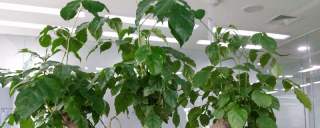
As an Emerald Green Arborvitae, I stand tall and proud in your landscape for most of the year. But when winter's chill descends, the world becomes a harsh and challenging place for a tree like me. The freezing temperatures, drying winds, heavy snow, and de-icing salts are not just inconveniences; they are threats to my very survival. To help me remain the vibrant, green sentinel you admire, I need your understanding and care during these cold months. Here is my perspective on what I need from you.
You might think I am dormant and don't need water, but that is a dangerous misconception. My roots remain active whenever the soil temperature is above freezing. The combination of frozen ground and winter sun can pull moisture from my foliage (a process called transpiration), but my roots cannot draw up water to replace it from the frozen earth. This leads to "winter burn," where my tips turn brown and crispy. Before the ground freezes solid, please give me a long, deep watering. Continue to water me on warmer days throughout the winter when there is no snow cover. A well-hydrated me is far more resilient to the drying effects of winter wind and sun.
My root system is relatively shallow and widespread, making it vulnerable to rapid temperature fluctuations. A thick layer of organic mulch, like wood chips or shredded bark, spread in a wide circle around my base (but not piled against my trunk), acts as an insulating blanket. It keeps the soil temperature more consistent, preventing the freeze-thaw cycles that can heave my roots out of the ground and damage them. This mulch layer also helps to retain the precious soil moisture I mentioned earlier. Apply this mulch in late fall, after the ground has cooled but before it has frozen hard.
My natural upright, pyramidal form is beautiful, but it can be a liability when heavy, wet snow or ice accumulates on my branches. The weight can bend, splay, or even snap my limbs, permanently distorting my shape. After a significant snowfall, please gently brush the snow off my branches with an upward sweeping motion of a broom. Do not shake me, as this can cause brittle branches to break. For ice storms, it is best to leave me be; trying to remove ice will likely cause more harm than good. If you are in an area prone to heavy snow, you can loosely tie my branches together with soft cloth or burlap strips before winter arrives. This provides support and helps prevent splaying.
Winter sun reflecting off snow can be intensely bright, and when combined with biting winds, it can scorch my foliage, primarily on my south and southwest sides. This is another cause of winter burn. You can protect me by erecting a temporary burlap screen on the windward and sun-exposed sides. Do not wrap me tightly in plastic, as this can trap heat and moisture on sunny days, leading to fungal diseases. The goal is to break the wind and provide light shade, not to create an airtight greenhouse.
De-icing salts used on nearby driveways and pathways are extremely toxic to me. The salt runoff contaminates the soil, making it difficult for my roots to absorb water and nutrients, leading to browning and dieback. If possible, use sand or non-clumping kitty litter for traction instead of salt. If salt is necessary, please create a physical barrier, like a burlap fence, between the salted area and my root zone. In early spring, thoroughly flush the soil around my base with water to help leach away any accumulated salts.