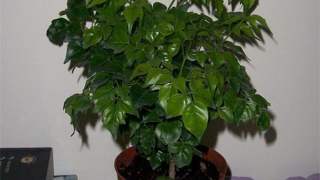
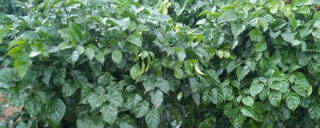
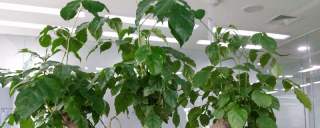
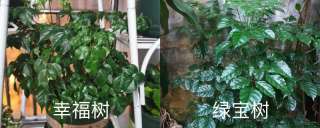
Before seeking a purchase source, it is crucial to define what constitutes a healthy specimen of Ficus 'Emerald Green', commonly known as the Emerald Tree. From a plant's perspective, health is not merely aesthetic; it is a state of physiological vigor that ensures survival and growth. A healthy Emerald Tree will have several key characteristics. The foliage should be a vibrant, glossy green without significant yellowing, browning, or spotting, which can indicate water stress, nutrient deficiencies, or disease. The leaves should feel firm and turgid, not limp or wilted. Inspect the undersides of leaves and the junctions of stems for any signs of pests like spider mites, scale, or mealybugs. The root system is equally vital; if possible, a gentle check should reveal firm, white or tan roots, not mushy, black, or foul-smelling ones, which signal root rot. The plant should have a balanced, bushy form with new growth emerging from the tips, indicating active photosynthesis and cellular division.
For the plant itself, buying from a reputable local nursery offers significant advantages. The primary benefit is the ability to conduct a firsthand health assessment, as described above. You can physically inspect the foliage, stems, and soil condition. Local nurseries typically acclimate their plants to the regional climate, meaning your Emerald Tree will not suffer the shock of transitioning from a perfect, controlled greenhouse to your local environment. This reduces transplant stress and promotes faster establishment. Furthermore, nursery staff are often knowledgeable gardeners who can provide specific, localized advice on care, such as the ideal light exposure for your area and the best potting mix to use. The immediate acquisition also eliminates the risks associated with shipping, such as temperature extremes, prolonged darkness, and physical jostling that can damage leaves and stems.
Online purchasing provides access to a much wider selection, including specific cultivars or more mature specimen sizes that may not be available locally. For the plant, this means it is often sourced directly from a specialized grower who optimizes conditions for that particular species. However, this method carries inherent risks from the plant's point of view. The shipping process is a traumatic event involving darkness, temperature fluctuations, and potential dehydration. Even with excellent packaging, a plant can arrive stressed, with some leaf drop or minor damage. It is imperative to choose online vendors with stellar reputations for packaging and plant health. Look for detailed product descriptions and clear photos. Upon arrival, the plant will require a period of acclimation; place it in a stable environment with indirect light and consistent moisture to allow it to recover from the journey before any repotting.
Regardless of the source, the ultimate health of your Emerald Tree depends on the care it receives post-purchase. The plant's needs are non-negotiable. It requires bright, indirect light to fuel photosynthesis without scorching its leaves. It thrives in well-draining soil that allows oxygen to reach the roots while holding adequate moisture. Watering should be thorough but infrequent, allowing the top inch of soil to dry out, which encourages a strong root system. Immediately after bringing the plant home, whether from a local store or via delivery, it should be quarantined away from other houseplants for at least a week. This allows you to monitor for any pest outbreaks that were not initially apparent and prevents potential contamination of your existing plant collection. This careful introduction gives the new Emerald Tree the best chance to adapt to its new environment and thrive.