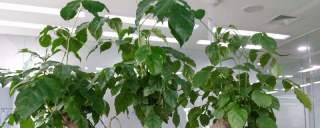
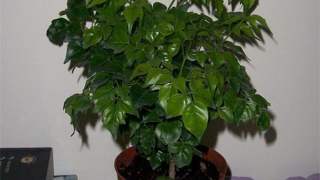
To understand whether you should mist your Emerald Tree (a common name for plants like the Emerald Ripple Peperomia or certain Dracaenas), we must first consider its origins. Most plants sold under this name are native to tropical or subtropical regions, such as the understories of rainforests. In these environments, the air is consistently warm and humid, often with moisture levels between 60-80%. The air is not stagnant but moves gently, allowing for transpiration and gas exchange without waterlogging the leaves. When you mist, you are attempting to replicate this brief, localized increase in humidity around the foliage, which can be a welcome relief, especially in homes with dry, conditioned air.
From the plant's physiological perspective, misting offers several potential advantages. The primary benefit is a temporary rise in humidity directly at the leaf surface. This can help reduce the rate of transpiration—the process by which water evaporates from the leaves. In a dry room, a plant can lose water faster than its roots can absorb it, leading to stress symptoms like brown, crispy leaf tips. A fine mist creates a microclimate that slows this water loss. Furthermore, clean, dust-free leaves are essential for photosynthesis. A light misting can help wash away dust particles that clog the stomata (pores on the leaf), thereby improving the plant's ability to "breathe" and convert light into energy. For a tropical plant, this simple act can make its immediate environment feel more like home.
However, the plant's leaf surface is not designed to be constantly wet. This is where misting can become detrimental. The most serious risk is the promotion of fungal and bacterial diseases. Pathogens like powdery mildew and leaf spot thrive in cool, stagnant, moist conditions. If water droplets sit on the leaves for extended periods, especially overnight or in a poorly ventilated room, they create a perfect breeding ground for these organisms. Additionally, if tap water is used for misting, the minerals within it can be left behind as the water evaporates, leaving unsightly white spots on the foliage that can clog stomata. For plants with fuzzy leaves or those that grow in a tight rosette (like some Peperomias), water trapped in the crown can lead to rapid stem or root rot, which is often fatal.
The plant's ultimate need is for consistently higher ambient humidity, not just wet leaves. Therefore, if you choose to mist, it must be done correctly to maximize benefit and minimize harm. The best practice is to use a very fine mist of lukewarm, filtered or distilled water early in the morning. This timing allows any droplets that land on the leaves to evaporate fully as the day progresses, preventing prolonged moisture. The mist should be directed around the plant, not drenching it. A more effective and lower-risk method from the plant's perspective is to use a pebble tray. By placing the pot on a tray filled with water and pebbles (ensuring the pot sits above the water line), evaporation provides a consistent, localized humidity boost without wetting the foliage. Grouping plants together is another excellent strategy, as they collectively raise the humidity through their natural transpiration processes.