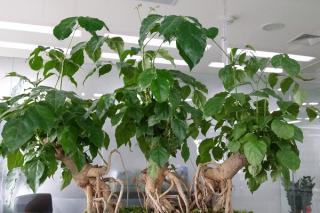
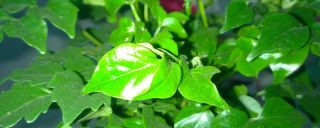
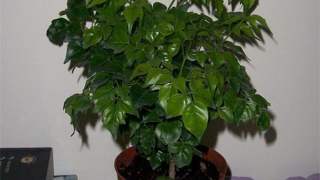
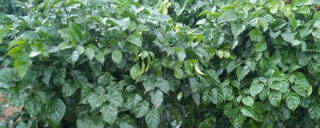
From the perspective of the Emerald Tree, the use of coffee grounds as a fertilizer is a complex issue with both potential benefits and significant risks. Its suitability depends heavily on the specific conditions of the soil and the application method. An Emerald Tree, like any plant, requires a stable and appropriate growing medium to access water and nutrients. Here is a detailed analysis of how coffee grounds affect its environment.
For an Emerald Tree, nitrogen is a crucial macronutrient for the production of chlorophyll and the vigorous growth of its characteristic green foliage. Used coffee grounds can be a source of this nutrient. As they decompose, they slowly release nitrogen into the soil, providing a gentle, long-term feeding rather than a rapid surge that could cause stress. Furthermore, coffee grounds are an organic material. When incorporated into the soil, they improve its structure. In heavy clay soils, they help to create pockets for air and water movement, while in sandy soils, they increase water retention. This improved soil texture benefits the tree's root system, allowing it to establish itself more effectively and access resources more efficiently.
The most critical consideration for the Emerald Tree is the pH of the soil. While fresh, unused coffee is acidic, used coffee grounds are nearly neutral in pH. The primary risk is not direct acidity but the potential for them to contribute to water retention issues. If applied too thickly or too frequently, coffee grounds can compact and form a dense, crusty layer on the soil surface. This layer can act as a barrier, repelling water and preventing it from reaching the root zone, leaving the tree dehydrated. Conversely, this compacted layer can also trap too much moisture against the trunk and lower roots, creating an anaerobic environment that can lead to root rot, a serious condition that can severely damage or kill the tree.
How the coffee grounds are applied is the deciding factor for the Emerald Tree's health. The tree's roots require a balanced environment, and a careless application can be detrimental. The safest method is to treat coffee grounds as a "green" material in composting. Mixing them with "brown" materials like dried leaves, straw, or shredded paper creates a balanced compost pile. Once fully decomposed, this compost can be used as a top dressing or mixed into the soil around the tree, providing all the benefits of improved soil structure and slow-release nutrients without the risks of compaction or mold. If applying directly, it must be done sparingly. A thin layer (no more than half an inch) of thoroughly dried, used grounds should be spread over the soil surface, away from the trunk, and then lightly scratched into the topsoil or covered with mulch. This prevents the formation of a water-resistant crust.
After any application of coffee grounds, the Emerald Tree will provide clear signals about its condition. The tree should be monitored closely for signs of stress. Yellowing leaves, particularly if they drop prematurely, can indicate nutrient lock-up or poor drainage caused by the grounds. Wilting or a general lack of new growth can signal that the roots are not functioning properly. If any negative symptoms appear, the application of coffee grounds should cease immediately, and any visible layer on the soil surface should be gently removed.