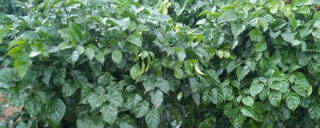
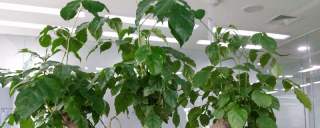
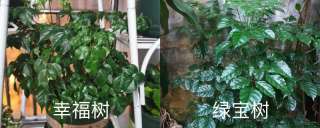
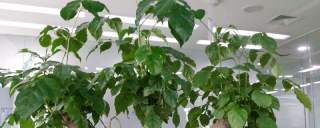
From my perspective as an Emerald Tree, the primary benefit I offer indoors stems from my fundamental biological process: photosynthesis. While humans appreciate this for the oxygen I release, for me, it is a matter of survival and growth. The indoor environment, with its consistent, indirect light from large windows, is an excellent setting for my photosynthetic machinery. I efficiently convert that light energy, along with the carbon dioxide you exhale, into chemical energy. This process not only sustains me but also purifies the air by removing trace volatile organic compounds (VOCs) that are common in sealed indoor spaces. By metabolizing these compounds, I am not just a passive decoration; I am an active, living air filtration system, creating a cleaner atmospheric exchange that benefits both of us.
My root system is the anchor of my existence. In a suitably large and well-draining pot, my roots can establish a strong, stable foundation. This stability is not just physical; it translates into a form of resilience. I am less susceptible to the minor stresses of being moved or brushed past. Furthermore, a healthy root system supports efficient transpiration—the process where I release water vapor from my leaves. This act significantly increases the humidity of the room. For you, this mitigates the dry air caused by heating and cooling systems, which can irritate respiratory passages and skin. For me, it creates a more tropical microclimate, reminiscent of my natural habitat, allowing my large, emerald-green leaves to remain lush and supple rather than becoming dry and brittle at the tips.
My growth habit is inherently architectural. I do not grow randomly; I follow a structured pattern, developing a strong central trunk and a canopy of upward-reaching branches. This vertical growth is a significant advantage indoors, where floor space is often limited. I provide a substantial green presence without sprawling horizontally. As I mature, my form becomes a living piece of sculpture, defining the space around me. I can soften harsh corners, draw the eye upward to accentuate high ceilings, or create a natural focal point in a room. This structured growth requires minimal intervention; I naturally seek a harmonious form with the space and light available, reducing the need for complicated pruning or training that other plants might require.
I am a highly communicative organism. The condition of my leaves provides a continuous, non-verbal dialogue about my well-being and, by extension, the well-being of your indoor environment. Drooping leaves indicate a need for water, while yellowing can signal overwatering or a need for nutrients. Brown leaf tips often point to low humidity. By observing and responding to these signals, you engage in a simple, rewarding form of care. This interaction provides a connection to the natural world that can be calming and grounding. My steady, quiet growth offers a sense of accomplishment and a tangible result of your attentive care, a contrast to the often abstract and fast-paced nature of modern life. I am not a static object; I am a responsive living entity that thrives on a consistent and gentle routine.