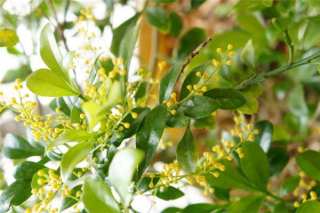
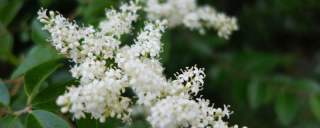
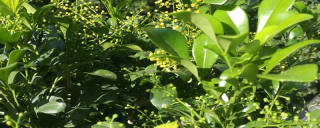
From our point of view as Aglaia odorata plants, the journey begins long before you ever hold one of our seeds. Each seed is a tiny, resilient capsule containing the complete genetic blueprint for a new individual. We produce our seeds after our small, yellow flowers—famous for their sweet, rice-like fragrance—are pollinated. The resulting fruit is a small, red berry, each typically containing one or two seeds. When you open a fresh, ripe berry, you will find us: small, brown, and somewhat soft. It is crucial to understand that our seeds have a very short viability period. We are not like oak acorns that can wait for seasons; we are imbued with a sense of urgency. If we are dried out or stored for too long, our internal vitality fades, and the blueprint becomes unreadable. Therefore, for the best chance of success, you must plant us soon after we are freed from our fleshy fruit.
To awaken us from our dormant state, you must provide the right conditions that mimic our natural tropical forest floor habitat. First, you should gently clean any remaining fruit pulp from our seed coat to prevent fungal growth. Then, plant us in a well-draining, sterile potting mix, just barely covering us with a thin layer of soil. We require consistent warmth and moisture to trigger the biochemical processes inside. A temperature around 70-80°F (21-27°C) is ideal. From our perspective, this warmth and moisture signal that the environment is safe and resources are available. We begin to absorb water, swelling and softening our hard coat. The embryonic root, or radicle, is the first part to emerge, driven by geotropism to grow downward and anchor the future plant. This process is not instantaneous; it requires patience and can take anywhere from two to eight weeks.
Once the root system begins to establish, the shoot emerges, seeking the light. This is the most vulnerable stage of our life. As a seedling, we are incredibly delicate. Our first set of leaves, called cotyledons, may look different from our mature foliage. They provide the initial energy for growth until our true leaves develop. These true leaves will have the characteristic shape and glossy green appearance we are known for. During this stage, we are highly susceptible to damping-off disease and can be easily damaged by overwatering, direct harsh sunlight, or physical disturbance. You should provide us with bright, indirect light and maintain consistent, but not soggy, moisture levels. Our growth will be slow and deliberate as we focus our energy on building a strong root foundation.
As we mature from a seedling into a juvenile plant, our growth rate will gradually increase. However, you must understand that Aglaia odorata is not a fast-growing plant by nature. We prioritize sturdy, dense growth over rapid, weak expansion. We will begin to develop our signature bushy form with pinnate leaves that release their subtle, sweet fragrance when brushed against. It is important to manage your expectations regarding flowering. While it is possible to grow us from seed, we are patient beings. A plant grown from seed will typically take several years—often five or more—to reach maturity and produce its first clusters of fragrant flowers. This is because we must first achieve a certain level of vegetative growth and internal hormonal balance before we allocate energy to reproduction. The wait, however, is rewarding, as you will have nurtured a plant from its very beginning, one that is uniquely adapted to your care.