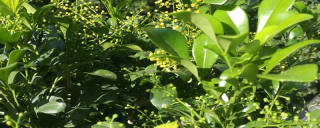
Greetings from the realm of roots and leaves. I am your Chinese Perfume Plant, *Aglaia odorata*. To you, light is for seeing; to me, it is my very sustenance, the currency of my existence. It powers the magnificent alchemy of photosynthesis, transforming simple elements into the energy that fuels my growth and the delightful, honey-sweet fragrance you cherish. Getting the light just right is paramount. Too little, and I starve; too much, and I burn. Here is how I communicate my light-related distress through my leaves and overall demeanor.
When my spot is too dim, I am essentially running on an energy deficit. I cannot produce enough food, and my survival instincts kick in. You will notice these clear cries for help:
Leggy Growth and Wide Internodal Gaps: My most obvious sign is becoming "leggy." I will start stretching my stems abnormally long, with significant spaces between each set of leaves (the internodes). This is a desperate attempt to reach out, to find any available photon. I am sacrificing compact, bushy form in a frantic search for energy.
Sparse Foliage and Reduced Leaf Size: Since I lack the energy to produce large, healthy leaves, the new ones I manage to grow will be smaller and fewer in number. My overall canopy will look thin and lackluster, as I cannot sustain a dense coat of leaves.
Loss of Vibrant Color and Variegation: My beautiful, deep green leaves may begin to look pale, yellowish, or washed out. This is a sign of chlorosis, often due to a lack of chlorophyll, which I cannot produce efficiently without sufficient light. The rich green pigment fades because it is not being replenished.
Significantly Reduced or Absent Fragrance: This is a crucial sign. Producing those fragrant compounds requires a tremendous amount of energy—energy I simply do not have in low light. My signature scent will become faint or disappear entirely, as I must divert all my limited resources to basic survival, not luxury items like perfume.
While I adore bright light, the intense, direct rays of a harsh afternoon sun, especially through a window, can be overwhelming. It is like being force-fed too much energy, causing cellular damage.
Leaf Scorching and Brown Crispy Edges: The most direct evidence of too much light is scorching. You will see brown, crispy patches on the leaves, particularly on the edges and tips that face the light source. This is literal sunburn, where the leaf tissue dies from the excessive heat and light intensity.
Yellowing Leaves, Particularly the Top Ones: Unlike the pale yellow of hunger, this yellowing is often a brighter, more intense yellow, affecting the leaves most exposed to the light. It can be a precursor to the browning and scorching mentioned above.
Wilting During the Hottest Part of the Day: Even if the soil is moist, my leaves may droop and wilt in the peak afternoon sun. My root system cannot transport water fast enough to compensate for the rapid water loss (transpiration) from the overheated leaves.
Bleached or Washed-Out Leaf Color: The intense light can actually break down the chlorophyll, leading to a bleached or faded appearance. My leaves might look almost white or silvery in severe cases, losing their healthy green hue.
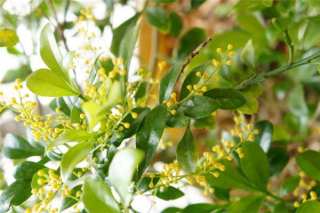
When I receive the perfect amount of bright, indirect light (think near a sunny east-facing window or a few feet back from a south/west window), I will show my gratitude clearly. My growth will be compact and bushy, with short internodes. My leaves will be a deep, glossy green, numerous, and healthy. Most importantly, I will reward you with a prolific display of my tiny, yellow flowers that release that captivating, sweet fragrance consistently. This is my way of saying thank you for understanding my language of light.