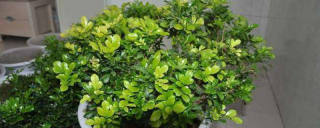
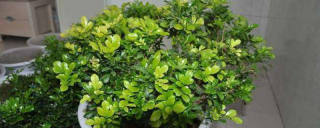
The Aglaonema, commonly known as the Chinese Evergreen, is a highly popular houseplant prized for its stunning foliage and remarkable adaptability. Understanding its growth rate and ultimate size is key to providing the proper care and ensuring it thrives in an indoor environment. From the plant's perspective, these characteristics are a direct response to its native habitat and the conditions you provide.
As a member of the Araceae family, Aglaonema has a moderately slow growth rate, especially when compared to many other tropical foliage plants. This is not a sign of weakness but a strategic adaptation. In its natural understory habitat in the tropical forests of Asia, light is a limited resource filtered through the canopy above. A slower growth rate allows the plant to conserve energy and efficiently utilize available resources. In your home, this translates to a plant that will not quickly outgrow its space. You can expect to see new leaves emerge every few months, typically from the center of the plant. The speed of this growth is directly proportional to the care conditions; optimal light, water, and nutrients will encourage a more vigorous pace, while lower light will result in an even more gradual expansion.
Several environmental factors dictate how an Aglaonema expresses its growth potential. From the plant's perspective, these are non-negotiable elements of its survival strategy.
Light: This is the primary engine for growth. Bright, indirect light mimics the dappled sunlight of the forest floor, fueling photosynthesis and encouraging the development of new, well-colored leaves. In low light, the plant will survive but will grow extremely slowly as it enters a conservation mode. Direct sunlight, however, is perceived as a threat, scorching the leaves and causing stress that halts growth.
Pot Size and Root Health: The Aglaonema prefers to be slightly root-bound, a condition that signals stability. In a pot that is too large, the plant will prioritize root development to fill the space before committing energy to new top growth. Conversely, a severely root-bound plant becomes stressed, with its growth stunted as it struggles to access water and nutrients. Well-draining soil is crucial to prevent root rot, a condition that directly attacks the plant's ability to sustain itself.
Nutrition and Water: Regular feeding during the growing season (spring and summer) with a balanced liquid fertilizer provides the essential building blocks for new cells. Consistent watering, allowing the top inch of soil to dry out between sessions, maintains turgor pressure and facilitates nutrient transport without drowning the roots.
In a container indoors, an Aglaonema will not reach the same dimensions as it might in the wild. Its growth is constrained by the pot, which is a key factor in managing its size. Most compact varieties will typically reach a mature height and spread of 1 to 2 feet. Larger varieties may eventually reach up to 3 feet tall and wide, but this process takes many years. The plant grows upright, with new leaves unfurling from a central crown. Over time, it may develop a cane-like stem, and it can also produce offsets or "pups" at its base, leading to a fuller, bushier appearance rather than just increasing in height. This clumping habit is the plant's natural method of propagation, creating a dense colony to maximize its presence on the forest floor.
An Aglaonema is a long-lived plant. With proper care, it can be a companion for many years. Its slow growth rate means it requires infrequent repotting, typically only every two to three years. As the plant ages, the lower, older leaves may naturally yellow and drop, a normal part of the lifecycle that reveals more of the stem and gives the plant a more tree-like appearance. This is not a cause for alarm but a sign of the plant's maturation. The primary goal of the mature Aglaonema is not rapid vertical growth but the maintenance of its existing foliage and the occasional production of new leaves and offsets to ensure its longevity.