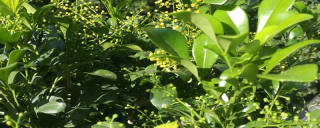
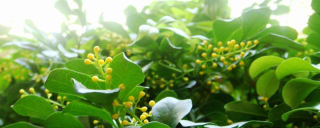
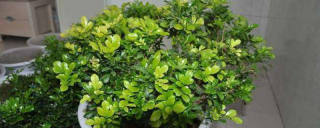
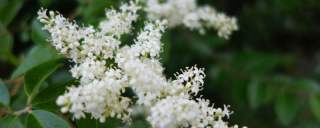
From my perspective as an Aglaia odorata, the single greatest threat to my survival in the USA during winter is temperature. I am a tropical and subtropical plant, native to regions where the concept of frost is nonexistent. My cellular structure is not equipped to handle freezing temperatures. When the mercury dips below 32°F (0°C), the water within my cells begins to freeze, forming sharp ice crystals that rupture my cell walls. This is not merely damage; it is a catastrophic, often fatal, internal injury. My leaves, which are my primary organs for photosynthesis and respiration, will turn black and wilt rapidly. My stems, the pathways for water and nutrients, will become soft and mushy. Therefore, the primary directive for my caregiver is to ensure I never experience a freeze. My absolute minimum safe temperature is around 40°F (4°C), but I am far more comfortable and will remain in a healthy, semi-dormant state if kept consistently above 50°F (10°C).
The transition from my summer outdoor location to my winter indoor sanctuary is a critical and stressful event. I must be moved indoors well before the first frost is predicted. A sudden cold snap can be devastating. However, this move cannot be abrupt. If I am brought directly from the bright, sunny patio into a dimmer indoor space, I will respond with severe leaf drop. This is a survival mechanism—I am shedding foliage that I can no longer support with reduced light levels, but it is stressful and depletes my energy reserves. To mitigate this, my caregiver should begin acclimating me about two weeks prior to the move. This involves placing me in a progressively shadier spot outdoors for a few hours each day, gradually increasing the time. This signals to my systems that light levels are decreasing, allowing me to adjust my metabolism slowly.
Once indoors, my needs change significantly. I enter a state of semi-dormancy; my growth slows or stops entirely as I conserve energy for the spring.
Light: I require the brightest possible location indoors. A south-facing window is ideal, as it provides the most intense and prolonged sunlight during the short winter days. An east or west-facing window is my second choice. Without sufficient light, I will become "leggy," stretching my stems weakly in a desperate search for photons, and my leaves may pale and drop.
Water: My water consumption plummets during this period. My roots are far less active in the cool indoor soil, and overwatering is now the greatest danger. Soggy soil will lead to root rot, a condition where my roots suffocate and decay, effectively starving me. My caregiver must allow the top inch or two of soil to dry out completely between waterings. The frequency might be only once every two or three weeks, depending on the indoor temperature and light.
Humidity: Heated indoor air is extremely dry, a stark contrast to my preferred humid environment. This low humidity stresses me, causing the tips of my leaves to turn brown and crisp. To help me, my caregiver can place my pot on a pebble tray filled with water (ensuring the pot sits above the waterline), group me with other plants to create a microclimate, or occasionally run a humidifier nearby.
During the overwintering months, I am not actively growing. Therefore, I have no need for fertilizer. Applying fertilizer now would be counterproductive and potentially harmful, as the salts can build up in the dormant soil and damage my sensitive roots. Any feeding should cease in late summer and not resume until I show clear signs of new growth in the spring. Similarly, major pruning should be avoided. While it is acceptable to remove any dead, diseased, or damaged branches, significant shaping or cutting back should wait until just before I am moved back outdoors in the spring, as this will stimulate the new growth that the increasing light and warmth can properly support.