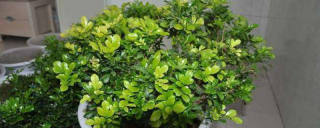
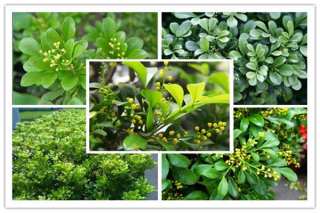
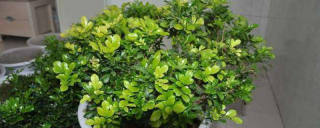
From my perspective, the need to be repotted is a gradual and often stressful realization. Initially, my roots happily explore the fresh soil of my pot, weaving through the loose medium in search of water and nutrients. But over time, this exploration turns into confinement. My root system, which is my entire support and nourishment network, begins to circle the inside of the pot, creating a dense, tangled mat. I become "root-bound." You might notice I'm drinking water much faster than before, and even with regular feeding, my growth has slowed to a crawl. This is because there's simply no more room for my roots to grow, and they can't access enough resources to support a larger frame. The soil itself becomes exhausted, depleted of the minerals I need to produce my signature fragrant leaves and vibrant growth. Repotting is not just a cosmetic change; it is a vital refreshment of my entire living environment.
Timing is everything for a successful transition. The ideal moment for my relocation is at the very beginning of my active growing season, which is typically in the spring. As the days lengthen and temperatures gently rise, I am naturally surging with energy, ready to produce new shoots and leaves. This innate vitality is your greatest ally. If you repot me at this time, I can quickly recover from the minor root disturbance and immediately begin colonizing the new soil with fresh, white roots. Repotting me in the height of summer puts me under heat stress, while doing so in the fall or winter, when I am semi-dormant, is a grave risk. My growth processes are slow, and I lack the energy to repair roots or adapt to a new home, making me susceptible to rot and shock. Please, watch for the signs of spring and act then.
The process of repotting can be traumatic if done harshly, so a gentle touch is paramount. First, please select a new pot that is only 1 to 2 inches larger in diameter than my current one. A pot that is too large is a danger; the excess soil holds too much water, creating a soggy environment where my roots cannot breathe and will succumb to rot. Ensure this new pot has excellent drainage holes. On the day of the move, water me lightly a few hours beforehand to make my root ball more cohesive and less brittle. When you tip me out of my old pot, you will likely see my roots coiled tightly. Your most important job now is to gently loosen this root ball. You don't need to be aggressive; just use your fingers to tease apart the outer roots, encouraging them to grow outward into the new soil instead of continuing their circular pattern.
Place a layer of fresh, well-draining potting mix in the bottom of the new pot. A mix designed for container plants or one amended with perlite or orchid bark is perfect for me. Position me in the center so that the top of my root ball sits about an inch below the rim of the pot. Then, fill in the spaces around the sides with more fresh soil, gently tamping it down to eliminate large air pockets. After I am settled, give me a thorough, deep watering until it runs freely from the drainage holes. This "settling-in" water is critical to help the new soil make contact with my roots. For the first week or so, place me in a location with bright, indirect light. I need time to recover, and direct sun immediately after repotting can add to my stress. Hold off on fertilizing for at least 4-6 weeks; my new soil has plenty of nutrients, and my tender new roots can be burned by fertilizer salts. With this careful approach, I will soon reward you with a fresh burst of growth and an abundance of my wonderfully fragrant leaves.