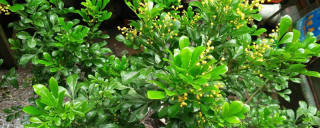
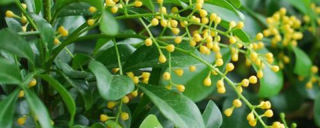
For the best chance of success, you must understand my internal calendar. I am not a machine; I respond to the rhythms of the seasons. The optimal time to take a cutting from me is in the late spring or early summer. At this time, I am in my active growth phase. The sun is warm, the days are long, and my sap is flowing vigorously. The stems you select will be semi-hardwood – not the floppy, soft new growth that is too tender, nor the old, rigid wood that is slow to root. This "in-between" stage provides the perfect balance of youthful cellular energy and enough structural integrity to survive the transition. Attempting this in winter, when I am dormant, is a recipe for failure, as my metabolic processes have slowed to a near halt.
Do not simply snip any random branch. Your success depends on choosing the right part of me. Look for a healthy, pest-free stem from this year's growth, about 4 to 6 inches long. It should have several leaf nodes (the little bumps where leaves and buds emerge). The ideal cutting comes from a non-flowering shoot. If I am putting energy into creating flowers and fragrance, I have less energy to dedicate to growing new roots. A vegetative shoot is fully focused on growth. The stem should be green but firm, snapping cleanly when bent, not folding over limply. Using a sharp, sterilized blade is crucial; a crushing, dirty cut invites disease that can kill me before I even have a chance.
Once you have selected my cutting, the preparation is a delicate operation. Immediately after the cut, place me in a damp paper towel or water to prevent air bubbles from blocking my vascular tissues – my drinking straws. Gently remove the leaves from the lower half to two-thirds of my stem. This is a strategic sacrifice. While leaves are my food factories through photosynthesis, they also lose water through transpiration. Without roots to draw up more water, too many leaves will cause me to dehydrate and wilt. Leaving a few leaves at the top is essential, however, as they will power the process of root formation. Some gardeners find it helpful to lightly wound the base of my stem by scraping off a thin layer of bark; this exposes more cambium cells, which can stimulate root initiation.
While I contain natural hormones to promote rooting, a little extra help can significantly increase our odds. Dipping the base of my prepared stem into a rooting hormone powder or gel provides a concentrated dose of auxins. These chemicals act as a powerful signal, telling my cells to switch from their stem identity to a root identity and begin dividing rapidly to form a root primordium. Tap off any excess powder, as too much can have the opposite effect and inhibit growth. This step is not strictly mandatory, but it is a highly recommended encouragement.
I cannot be placed in regular garden soil, which is often too dense and may harbor pathogens that will rot my vulnerable stem. My new home must be sterile, well-draining, yet able to retain some moisture. A mix of perlite and peat, coir, or a fine vermiculite is perfect. It provides oxygen to my developing roots while keeping the base consistently moist. Plant me in a small pot filled with this medium, water it gently to settle it around my stem, and then cover me with a clear plastic bag or place me in a propagator. This creates a humid microenvironment, a miniature greenhouse that drastically reduces water loss from my remaining leaves, preventing fatal dehydration. Place me in a warm spot with bright, indirect light. Direct sunlight will cook me inside this humid dome.
This is the period where your patience is vital. For the next several weeks, I am working hard beneath the surface. My cells are reorganizing, dividing, and slowly forming the beginnings of a new root system. Keep my medium slightly moist, but not soggy. Check periodically for condensation on the plastic, and air me out occasionally to prevent fungal growth. You will know we have succeeded when you see signs of new leaf growth at the top – a clear indicator that roots have formed below and are now supplying water and nutrients to the rest of me. Only then can you begin to acclimate me to less humid conditions and, eventually, consider me a new, independent plant.