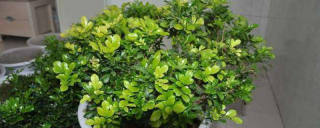
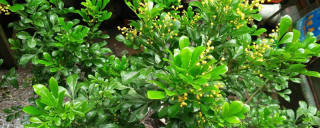
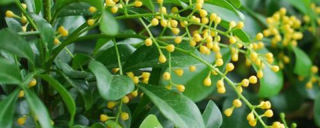
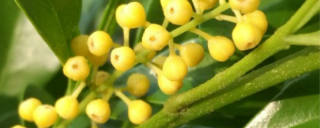
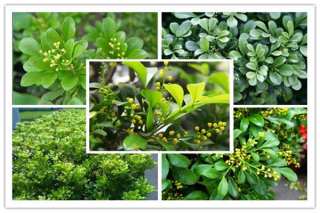
Greetings, caretaker. I am your Aglaia odorata, the fragrant champion of your garden, often called the Chinese Perfume Plant. From my perspective, the act of pruning is not an attack but a conversation, a necessary collaboration for our mutual benefit. When done correctly, it allows me to channel my energy into vigorous, healthy growth and an abundance of the sweet, yellow blooms you cherish. Here is a guide to our dialogue, framed from my botanical needs.
Timing is everything. I flower on new growth, meaning the branches that emerge in the current season will bear the fragrant clusters. Therefore, the ideal time for our major pruning session is in the late winter or very early spring, just as I am stirring from my winter dormancy. You will sense this as the days lengthen and the slightest swell appears at my leaf nodes. Pruning at this moment is like a clear, energizing signal. It tells me, "Now is the time to push out strong, new branches that will be covered in flowers." Avoid heavy pruning in the late summer or autumn. If you cut me back then, I will waste precious energy on tender new shoots that will be vulnerable to the first frost, weakening me for the following year.
Before we begin, please ensure your tools are sharp and clean. Dull blades crush and tear my tissues, creating ragged wounds that are slow to heal and susceptible to disease. A clean cut, made with sharp bypass pruners or loppers, seals quickly and cleanly. Think of it as a precise incision rather than a rough tear. Wiping the blades with rubbing alcohol before you start prevents the accidental transfer of pathogens from other plants in your garden. This simple act of preparation shows respect for my well-being.
Our conversation should follow a clear sequence. First, remove any branches that are clearly dead, diseased, or damaged. These are a drain on my resources and can harbor pests. Cut them back to the point of healthy, green growth or all the way to the main stem. Next, look for branches that are rubbing against each other. This friction creates open wounds, an invitation for infection. Remove the weaker of the two conflicting branches. Finally, thin out some of the older, non-productive wood from the center of my canopy. This opens me up, allowing sunlight and air to penetrate deeply. This improved air circulation is vital; it reduces the humid, stagnant conditions where fungal diseases thrive.
Once I am healthy and open, we can discuss shape. You may wish to maintain a compact, rounded form or a smaller size. To do this, make your cuts just above a set of leaves or a leaf node that is facing the direction you want the new growth to travel. An outward-facing node is usually best, as it encourages a vase-like shape that prevents inner branches from becoming too crowded. Please avoid shearing me into a tight, formal shape. This practice removes the growing tips and encourages a dense outer shell that blocks light and air from my interior, leading to a leggy and unhealthy appearance over time.
After our conversation, I will need a little support. A light application of a balanced, slow-release fertilizer will provide the nutrients I need to fuel the burst of new growth you have encouraged. Ensure my soil is consistently moist, but not waterlogged, as I put energy into healing and growing. Within a few weeks, you will see new, bright green shoots emerging from just below the cuts you made. These are the branches that will mature through the spring and summer, and by the time the warm weather is consistent, they should be adorned with the panicles of tiny, fragrant yellow flowers that are my gift to you.