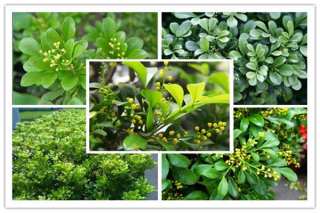
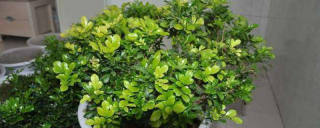
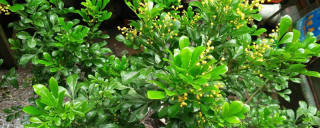
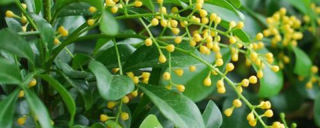
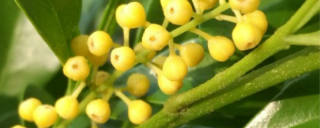
As a plant, I, Aglaia odorata, the Fragrant Champaca, generally thrive with minimal fuss. My small, yellow, intensely fragrant flowers bring joy, and my glossy green leaves are a testament to my resilience. However, even I am not invincible. When my growing conditions are less than ideal, or when pests find me particularly appealing, I can fall victim to a few common issues. Understanding these ailments from my perspective is key to restoring my health.
Several tiny creatures see my succulent leaves and stems as a source of food. Their attack weakens me, causing visible distress.
1.1. Aphids: These small, soft-bodied insects (green, black, or brown) are a frequent nuisance. They cluster on the undersides of my young leaves and tender new shoots, piercing my tissues to suck out the sap. This feeding causes my leaves to curl, yellow, and become distorted. Worse still, they excrete a sticky substance called honeydew, which attracts sooty mold—a black, fungal growth that coats my leaves, blocking sunlight and interfering with my photosynthesis.
1.2. Scale Insects: These pests are more deceptive. They attach themselves to my stems and the veins on the underside of my leaves, forming hard or soft, waxy coverings that make them look like small bumps. Like aphids, they suck my sap, leading to yellowing leaves, stunted growth, and leaf drop. A heavy infestation can severely weaken me over time.
1.3. Spider Mites: These are not insects but arachnids, and they thrive in hot, dry conditions. They are extremely tiny and often go unnoticed until their damage is significant. They feed on individual plant cells, leaving behind a stippled or speckled yellow appearance on my leaves. A tell-tale sign of their presence is the fine, silky webbing they spin, especially between leaves and stems.
While pests are a direct attack, diseases often stem from environmental stress, particularly related to moisture and soil conditions.
2.1. Root Rot: This is my most dreaded ailment. It is caused by various soil-borne fungi, such as Pythium and Phytophthora. Root rot occurs when my roots are forced to sit in waterlogged, poorly drained soil for extended periods. The roots suffocate and begin to decay, turning brown and mushy. Above ground, this manifests as a general decline: my leaves wilt, turn yellow, and drop, even when the soil seems wet. The entire plant may become stunted and eventually die if the condition is not addressed.
2.2. Sooty Mold: As mentioned, this fungal disease is not a direct pathogen but a secondary problem. It grows on the honeydew excreted by sap-sucking pests like aphids and scale. The black fungal coating itself does not penetrate my leaf tissue, but it acts like a shade cloth, preventing sunlight from reaching my leaves and hampering my ability to create food.
2.3. Leaf Spot Diseases: Various fungal or bacterial pathogens can cause spots on my leaves. These spots may appear as circular or irregular brown, black, or yellow lesions, sometimes with a yellow halo. They are often promoted by overhead watering, poor air circulation, and high humidity, which leave water sitting on my leaf surfaces, creating a perfect environment for pathogens to germinate.
Timely and appropriate intervention can save me from these troubles.
3.1. For Pest Infestations: For a light infestation of aphids, spider mites, or scale, a strong jet of water from a hose can dislodge many of them. For more persistent problems, insecticidal soap or horticultural oil (like neem oil) are effective treatments. These solutions work by suffocating the pests. It is crucial to spray thoroughly, especially onto the undersides of my leaves where these pests hide. For scale, you may need to gently wipe the insects off with a soft cloth dipped in soapy water.
3.2. For Root Rot: This requires immediate action. You must stop watering and carefully remove me from the soil. Trim away any dark, soft, and mushy roots with sterile pruners. Repot me into a clean pot with excellent drainage, using a fresh, well-draining potting mix. Ensure my pot has drainage holes and that you water me only when the top inch of soil feels dry.
3.3. For Sooty Mold and Leaf Spot: The primary treatment for sooty mold is to control the underlying pest problem. Once the honeydew-producing insects are gone, you can gently wipe the sooty mold from my leaves with a damp cloth. For leaf spot, remove and dispose of the severely affected leaves. Improve air circulation around me and avoid wetting my foliage when watering. In severe cases, a fungicide may be necessary.