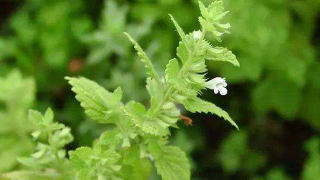
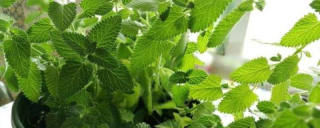
To you, I look "leggy" – stretched out, with long gaps between my leaves and a weak, spindly stem. But from my point of view, this isn't a flaw; it's a survival strategy. I am desperately searching for something I need more of: light. This condition is called etiolation. When I don't receive enough photons for photosynthesis, my internal systems go into emergency mode. I prioritize vertical growth, elongating my stem cells rapidly in an attempt to outgrow whatever is shading me and reach a brighter light source. The energy I would normally use to produce lush, full leaves and strengthen my stem is diverted to this desperate climb. I become thin and weak because, in the wild, being shaded means death, so I must gamble on finding sun.
The most direct way to help me is to satisfy my fundamental need for light. Simply moving me to a brighter location will signal my cells that the search is over. I thrive with at least 4-6 hours of direct sunlight daily. A south-facing window is ideal. If natural light is limited, especially in winter, you can provide me with a supplemental grow light. Position it just a few inches above my top leaves for 12-14 hours a day. Once I am receiving adequate light, you will notice a dramatic change. My new growth will be compact, with leaves growing much closer together on a sturdier stem. The old, leggy growth won't shrink, but the new, healthy growth will soon overshadow it.
While fixing the light is essential, you can actively encourage me to change my growth pattern through pruning. When you cut me back, you are not hurting me; you are redirecting me. My natural response to having a stem tip removed is to break dormancy in the leaf nodes below the cut. Each of those nodes has the potential to produce two new stems. Instead of one single, upward-growing stem, I will produce multiple branches, creating a fuller, bushier appearance. To do this correctly, don't be timid. Use clean, sharp scissors and cut the stem back to just above a set of leaves. You can often remove up to two-thirds of my height. This process tells me to stop focusing on height and start focusing on density.
Light and pruning are the primary solutions, but my environment as a whole contributes to my vigor. First, consider my soil nutrition. I am a vigorous grower and can deplete the nutrients in my container relatively quickly. Feeding me with a balanced, water-soluble fertilizer every 4-6 weeks during my main growing season (spring and summer) provides the building blocks I need for strong cell development. Second, ensure my roots have enough space and proper drainage. If I am root-bound, I can become stressed, which may contribute to weak growth. Finally, consistent watering is key. I prefer soil that is consistently moist but never soggy. Stress from drought can also weaken my structure.
Prevention is about maintaining the conditions that keep me happy and compact. Keep me in that bright spot year-round. Make rotational pruning a regular part of harvesting. Instead of just plucking a few leaves from the top, frequently snip off the tips of my stems, even if you don't need the mint immediately. This constant, gentle pruning promotes continuous bushy growth and provides you with a steady supply of leaves. By understanding that my legginess is a cry for help and responding with more light and strategic trimming, you can help me become the dense, aromatic plant we both want me to be.