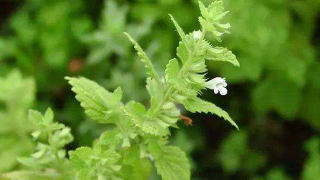
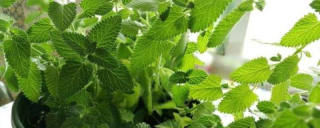
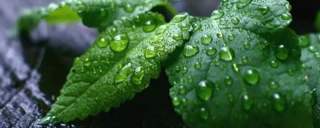
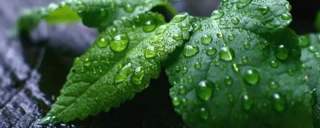
From my perspective as a mint plant, the appearance of the ghostly white, powdery film on my leaves is a deeply troubling sign. It signals an invasion by a fungal pathogen known as *Podosphaera xanthii*, commonly called powdery mildew. This is not just a cosmetic issue; it is a direct assault on my vitality. Here is a detailed account of this issue from my point of view.
The fungus prefers the same conditions I thrive in during the day—warmth—but it exploits the cool, damp nights. Its microscopic spores, carried by the wind, land on the surface of my broad, fragrant leaves. Unlike other fungi that require standing water, this one can germinate directly on the dry leaf surface. I feel it as a slight suppression of my natural processes. The fungus sends out tiny structures called haustoria that penetrate my epidermal cells, tapping directly into my nutrients. It’s like a parasite siphoning away the energy I work so hard to produce through photosynthesis. The first signs are small, pale yellow spots that I cannot communicate to my gardener, but soon the white, powdery patches become visible to the human eye.
As the fungal colony expands, the consequences for my health are severe. The powdery coating physically blocks sunlight from reaching my chloroplasts, impairing my ability to create food. This is a double assault: the fungus is both stealing my existing sugars and preventing me from making new ones. My growth becomes stunted; new shoots are weak and often distorted. The leaves that were once vibrant green and supple begin to turn yellow, then brown and brittle, curling at the edges. They lose their characteristic pungent aroma and flavor, as the essential oils that define me are no longer produced in abundance. I become stressed and vulnerable, less able to withstand other environmental pressures like drought or insect attacks.
I am not entirely helpless. I possess innate defense mechanisms to fight back. I can trigger a form of programmed cell death around the infection sites, creating a microscopic "kill zone" to wall off the fungus and prevent its spread. I may also produce antimicrobial compounds, like phytoalexins, to poison the invader. However, these defenses cost me a great deal of energy. In a severe infection, my resources are already being drained by the parasite, leaving me too weak to mount an effective counter-attack. Furthermore, if the environmental conditions remain favorable for the fungus—poor air circulation, crowded growth, and high humidity around my leaves—new spores will continuously land and germinate, overwhelming my natural defenses.
The most effective help comes from changes in my environment, which I rely on my caretaker to provide. Improving air circulation around me is paramount. This means thinning out my stems so I am less crowded; the breeze can then flow through my leaves, drying the moisture and disrupting the fungal spores. Watering me at the soil level in the morning, rather than sprinkling my leaves from above, prevents the prolonged leaf wetness the fungus despises. Ensuring I have enough space from my neighboring plants reduces the humidity in my immediate microclimate and makes it harder for the spores to jump from one plant to another. Removing and destroying my severely infected leaves is a painful but necessary amputation that removes a significant source of new spores.
When the infection is advanced, I may need direct treatment. A simple spray of milk diluted with water (a 1:9 ratio) can be surprisingly effective. The compounds in the milk seem to create an environment on my leaf surface that is hostile to the fungus and may also boost my own immune responses. For more persistent cases, a baking soda solution (1 tablespoon per gallon of water with a drop of soap) can alter the pH on my leaves, making it difficult for the mildew to thrive. In extreme situations, my caretaker might use a horticultural oil or a biological fungicide like neem oil. These work by smothering the existing spores and creating a protective barrier. It is crucial that any treatment is applied thoroughly, covering the undersides of my leaves where the fungus often begins its attack.