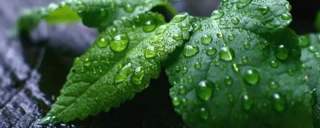
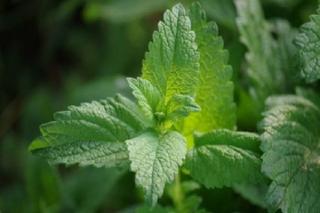
The term "mint" is used broadly and can be a significant source of confusion when assessing toxicity. From a botanical perspective, the true mints belong to the genus *Mentha* within the Lamiaceae family. This group includes popular culinary herbs like peppermint (*Mentha × piperita*) and spearmint (*Mentha spicata*). These true mints contain essential oils and compounds that can cause gastrointestinal upset in cats and dogs if a large amount is ingested. Symptoms might include vomiting, diarrhea, and drooling. However, true mints are generally not considered severely toxic or life-threatening. The primary risk is the essential oils, which are highly concentrated and more dangerous than the fresh plant itself.
The greater danger lies in plants that are commonly called "mint" but are entirely different species from the *Mentha* genus. These plants can be extremely toxic to pets. The most critical example is the Pennyroyal plant, which refers to both *Mentha pulegium* (European Pennyroyal, a true mint) and especially *Hedeoma pulegioides* (American Pennyroyal). Both types of Pennyroyal contain a potent compound called pulegone, which is highly toxic to the liver. Ingestion by a cat or dog can lead to severe liver failure, seizures, and can be fatal. Another dangerous imposter is the Perilla mint (*Perilla frutescens*), also known as Beefsteak plant. It contains ketones that can cause acute respiratory distress in animals, leading to potentially fatal pulmonary edema (fluid in the lungs).
It is also important to distinguish plants in the closely related *Nepeta* genus, commonly known as catnip (*Nepeta cataria*) and catmint (*Nepeta mussinii*). These plants are not true mints but are part of the same Lamiaceae family. For cats, these plants are non-toxic and are famous for inducing a temporary, harmless behavioral reaction. For dogs, they are generally considered safe in small quantities but may cause mild digestive upset if consumed in large amounts. While safe, it is prudent to monitor your pet's interaction with any plant.
The toxicity of a plant is directly linked to its chemical makeup. The primary compounds of concern in the mint family and its look-alikes are essential oils like menthol, pulegone, and various ketones. Cats are particularly sensitive to these compounds because they lack efficient liver enzymes (specifically glucuronosyltransferase enzymes) to metabolize them effectively. This means toxins can build up to dangerous levels more easily in a cat's system compared to many other animals. While dogs have a better ability to process some of these compounds, large ingestions can still overwhelm their system, leading to the gastrointestinal issues mentioned previously.
From a plant selection standpoint, the safest approach is to know the exact botanical name (genus and species) of any plant you introduce into a pet-accessible area. If you wish to grow herbs, sticking to true *Mentha* species like spearmint poses a relatively low risk, but it should still be placed out of easy reach to prevent a pet from eating a large quantity. However, you must absolutely avoid planting known toxic imposters like Pennyroyal or Perilla mint. Consider creating raised garden beds or using hanging planters to keep all plants away from curious pets. Always err on the side of caution, as individual animal reactions can vary.