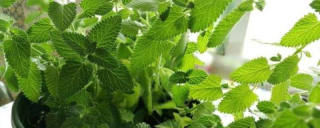
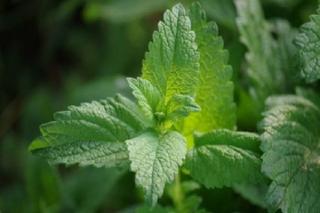
From my roots to my newest leaves, I can tell you that being pruned is not an attack; it's a strategic intervention. My entire existence is governed by a single, powerful directive: to grow and reproduce. I do this through a process called apical dominance. The very tip of each of my stems, the apical meristem, produces a hormone called auxin. This hormone travels down the stem and suppresses the growth of the tiny buds, called lateral buds, nestled in the crook where each leaf stem meets the main stem. By keeping these lateral buds dormant, I can focus my energy on growing tall and reaching for the sunlight, which is a great strategy in a competitive environment.
When you prune me—that is, when you snip or pinch off the top few inches of my stems, including the apical bud—you are performing a dramatic act of hormonal manipulation. You are physically removing the primary source of that suppressing auxin. Almost instantly, the concentration of auxin drops at the sites of those lateral buds. This is their signal. This is their moment to break dormancy. Without the chemical signal telling them to stay asleep, each of those lateral buds will begin to grow, developing into a brand new stem complete with its own set of leaves. Instead of one tall, lanky stem, you now have two, three, or even four stems emerging from the point where you made the cut. Repeat this process across all my stems, and you transform my architecture from a vertical sprig into a dense, bushy clump.
For the most effective and healthy bushiness, you need to make your cuts in the right places. Look for a point on my stem where you can see a set of healthy, vibrant leaves. Just above these leaves, you will see the lateral buds I mentioned, often appearing as tiny, slightly swollen bumps. Make your cut about a quarter to a half an inch above this leaf node. Cutting too far above the node can leave an unsightly "stub" that may die back and invite disease. Cutting too close can damage the buds you're trying to stimulate. The best time to do this is when I am actively growing, typically from spring through early autumn. You can be quite aggressive; I am a resilient plant. Even if you cut me back by half, as long as I have some leaves left to photosynthesize, I will respond with vigorous new growth.
This process of strategic pruning is immensely beneficial for me beyond just creating a pleasing shape for you. A bushier form means I have more leaves spread out to capture sunlight, which fuels more growth and production of the essential oils that give me my signature aroma and flavor. Better air circulation through my dense foliage helps prevent fungal diseases like powdery mildew, which can thrive in stagnant, damp conditions. Furthermore, by consistently removing the flower buds that eventually form at my tips, you are redirecting a massive amount of my energy. Flowering and setting seed is an energy-intensive final act for a stem. By preventing it, you force that energy back into producing more vegetative growth—more leaves and more stems—keeping me lush, flavorful, and productive for a much longer season.