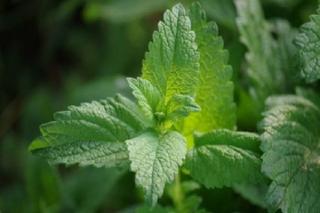
From my perspective as a mint plant, the journey from a tiny seed is both a testament to my species' resilience and a delicate, vulnerable beginning. Each of my seeds is a dormant capsule of life, containing a miniature blueprint for a sprawling, aromatic herb. Unlike my more aggressive mature form, which spreads confidently via runners (stolons), the seed stage is a lesson in patience. My seed coat is a protective shell, and inside, the embryo waits for the precise combination of signals—moisture, warmth, and light—to break its dormancy. It's a cautious strategy; I don't expend energy until the conditions promise a fair chance of survival. This inherent caution is the first challenge a gardener must understand: rushing this process can be fatal for my potential seedlings.
Many gardeners express frustration when trying to grow my kind from seed, and from my point of view, their struggles are understandable. The primary challenge lies in my seeds' specific needs and their inherent fragility. I require light to germinate. If a gardener buries me too deeply in the soil, the crucial signal never reaches my embryo, and I will simply remain dormant or rot. Furthermore, I am sensitive to moisture levels. The growing medium must be consistently damp but never waterlogged. Too much water displaces oxygen around my seed, leading to decay instead of growth. The temperature is another critical factor; a cozy range of 65-70°F (18-21°C) is ideal. Too cold, and my metabolic processes stall; too hot, and I may dry out or become stressed. Finally, my germination rate can be variable and slower than many other herbs. It can take 10 to 15 days, sometimes longer, for my cotyledons (the first seed leaves) to appear above the soil, testing the gardener's patience.
To help a gardener succeed, I would advise mimicking the ideal conditions of a forest floor after a light spring rain. First, sow my seeds on the surface of a fine, well-draining seed-starting mix. A gentle press to ensure contact with the soil is all that's needed; please do not cover me with soil. Next, use a fine mist to water me in, ensuring the surface is moistened without disturbing my delicate position. To maintain the crucial humidity, cover the seed tray with a clear plastic dome or plastic wrap. This creates a miniature greenhouse, holding in moisture and warmth. Place my nursery in a bright location, but out of direct, scorching sunlight, which could cook me before I even sprout. A warm windowsill or under a grow light is perfect.
Once my green shoots emerge, the real work begins. This is a vulnerable time. The plastic cover should be removed to prevent fungal diseases like damping-off, which can wipe out an entire tray of seedlings overnight. Good air circulation is now vital. The light source must be strong and close—otherwise, I will become leggy and weak as I stretch desperately towards the light. Watering remains a delicate art; the goal is to keep the soil consistently moist. Letting my tiny roots dry out will be fatal, but waterlogging them will be equally disastrous. When I develop my first set of true leaves (which will actually look like miniature mint leaves), I am strong enough to be thinned out or carefully transplanted if I am too crowded. Handling my stem and roots at this stage requires a gentle touch.
If the gardener navigates these early challenges successfully, I will reward them generously. Once established with a few sets of true leaves, my inherent vigorous nature takes over. I will focus my energy on developing a strong root system and producing the fragrant leaves the gardener desires. At this point, I am ready for gradual hardening off and eventual transplanting into a larger container or a dedicated garden bed. Remember, I am a spreading plant; confining me to a pot is often wise to prevent me from taking over the garden. From the humble beginning of a tiny seed, I can grow into a lush, aromatic plant that will provide pleasure for seasons to come.